
Amanda Gorman: A Voice That Awakens a Nation
- Aug 11, 2025
- 3 min read
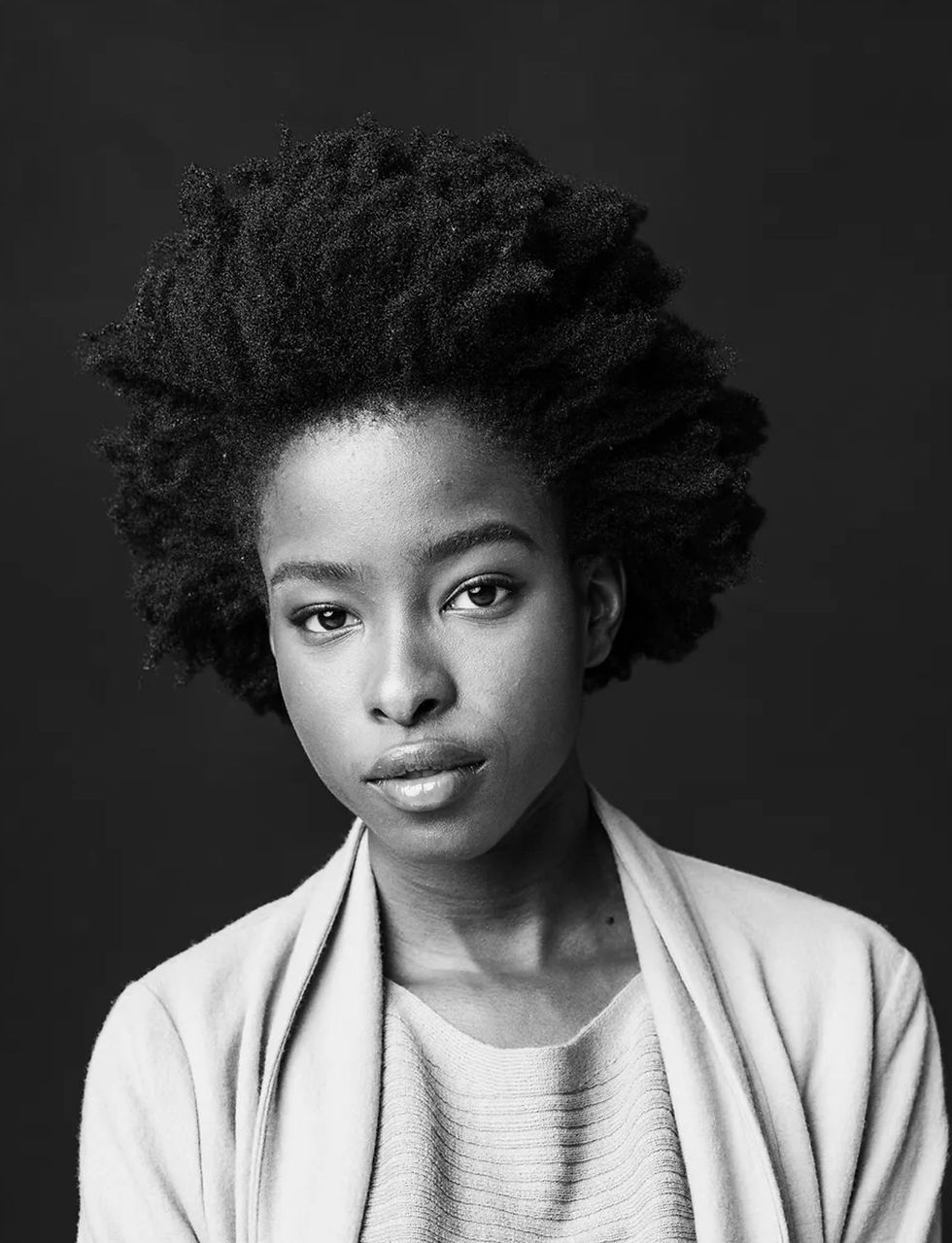
Amanda Gorman doesn’t just write poetry—she awakens something in us. At just twenty-two years old, she stood on the steps of the U.S. Capitol and delivered The Hill We Climb, a poem that did more than mark a moment in history—it moved a nation. With graceful power and a voice full of purpose, Amanda became the youngest inaugural poet in American history, capturing the imagination of millions with her words, her presence, and her poise. But her impact stretches far beyond that single moment. Amanda Gorman is a living testament to how voice, art, and civic spirit can come together to ignite change.
Amanda’s rise is not a product of luck—it is the result of courage, clarity, and a deep belief in the power of language to transform hearts and minds. Born in Los Angeles and raised by a single mother who was a middle school teacher, Amanda found refuge and strength in books, writing, and performance. She grew up with a speech impediment, a challenge she confronted not by hiding, but by honing her voice. Her journey to poetic prominence was paved with persistence—a quiet kind of bravery that built a foundation for her future influence.
What Amanda brought to the world stage on Inauguration Day was not just eloquence, but truth. Her poem didn’t shy away from the fractures in our society—it acknowledged them while daring us to believe in healing. In her words, there was both critique and hope, both realism and resolution. She didn’t offer perfection; she offered possibility. And in doing so, she reminded us that civic impact isn’t just about policy or protest—it’s about presence. It’s about showing up, standing tall, and speaking truth, even when your voice shakes.
Amanda’s work lives at the intersection of art and activism. She writes not just to impress, but to uplift. She crafts verses that speak to justice, identity, and the collective spirit. Whether addressing racism, climate change, or gender equity, Amanda uses poetry as a tool of resistance and restoration. Her writing challenges us to feel deeply and think critically. Her artistry is her advocacy.
But Amanda’s influence is not only in what she says—it’s in who she is. A young Black woman standing in power, owning her voice, and commanding respect in rooms that weren’t built for her. Her presence is a beacon for girls and women everywhere who are told they are too young, too quiet, too different. Amanda proves that voice has no age limit and confidence has no expiration date. She teaches us that our stories are not distractions—they are the very foundation of leadership.
In a culture that often rewards the loudest over the wisest, Amanda Gorman offers a different model: one rooted in reflection, elegance, and deep emotional intelligence. She doesn’t shout to be heard; she speaks so thoughtfully that the world leans in to listen. Her power is not in volume but in vision. She sees a future where unity does not erase difference but embraces it. A future where women lead with both heart and fire, intellect and imagination.

Amanda’s courage is quiet but unmistakable. She has turned personal struggle into public strength. She has shown that vulnerability is not weakness, but a doorway to connection. And she continues to write and speak with an authenticity that is rare and refreshing in today’s world of curated images and curated personas. Her leadership is literary, lyrical, and lasting.
As we reflect on Women’s Equality Day and the theme Voices of Victory, Amanda Gorman shines as a symbol of what is possible when women embrace their gifts, trust their inner voice, and rise to meet their moment. She is not just a poet—she is a guide, a catalyst, a mirror reflecting both who we are and who we can become.
Her words remind us that we are not defined by our divisions, but by our decision to come together and rise.
Amanda Gorman is a voice of her generation—but more than that, she is a voice for all generations. She writes for the women whose stories were never told, for the girls still learning to speak up, and for the future leaders who are watching her and whispering, “If she can, so can I.” In her verse, we find courage. In her story, we find inspiration. And in her voice, we find victory.



Comments