
"Better For You" Isn't Good Enough Anymore. Welcome to the Real Food Revolution.
By Sarah Tobin
Founder of Merricks Kitchen
Protein Got All the Attention. But It's Not the Whole Story.
A quiet cultural shift is underway in how Americans think about what "healthy" actually means. While social media floods our feeds with 40-gram protein hacks, the most underestimated trend of 2026 is happening quietly in grocery aisles. People are realizing that protein alone doesn't equal health. We need fiber, healthy fats, and balanced nutrition. The federal government just validated what many of us have been feeling for years.
The Fiber Deficit
The average American gets 10-15 grams of fiber daily. We need 25-38. When you eat high-protein foods without enough fiber, you get blood sugar crashes, constant hunger, and digestive issues. Many "high-protein" products contain ultra-processed isolates and inflammatory seed oils, the very ingredients federal guidelines warn us against.
This is the protein trap. It's easy to feel like you're doing everything right, but if fiber is missing, you're still leaving energy and gut health on the table. Real food was always the right answer.
Federal Guidelines Just Changed Everything
On January 7, 2026, the U.S. government released dietary guidelines described as "the most significant reset of federal nutrition policy in decades." The message? Eat real food. Choose olive oil over seed oils, avoid high-sodium processed foods, keep added sugars under 10 grams per meal, and skip ultra-processed ingredients.
The government is telling us to avoid foods that make up about 80% of grocery store shelves. Big food companies must now choose: reformulate with real ingredients at higher cost, or watch customers walk away.
Why Big Brands Can't Deliver What We Need
Large food corporations engineer products to be cheap, shelf-stable, and profitable. That's why they reach for seed oils instead of extra virgin olive oil, protein isolates instead of real nuts, and "natural flavors" instead of actual vanilla.
For decades, we've been conditioned to accept "better for you" as the standard. But better than junk food isn't good enough anymore. The standard should be food that is genuinely good for you, food that helps you age well, stay fit, and live a long, disease-free life.
Small Brands Are Leading the Real Food Revolution
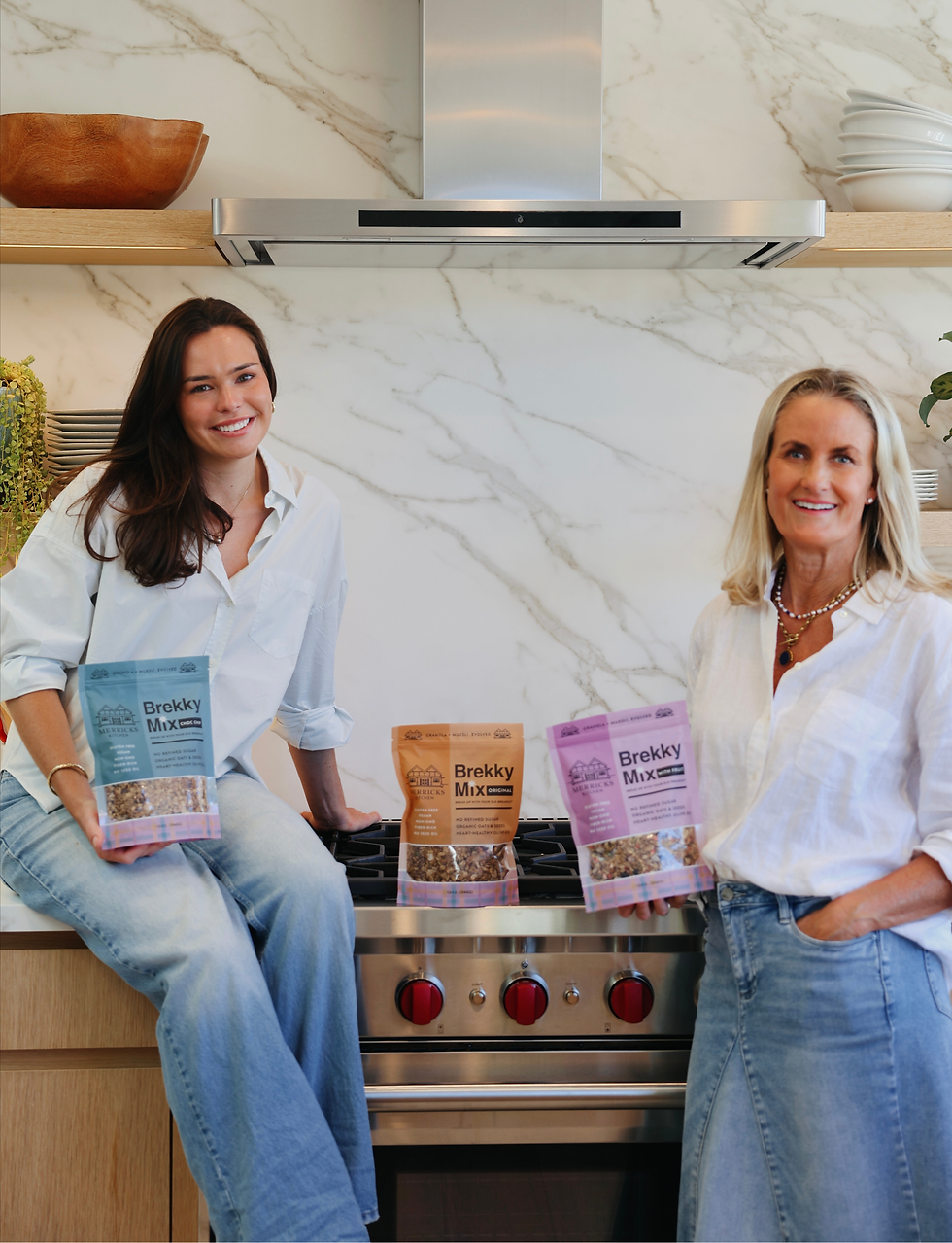
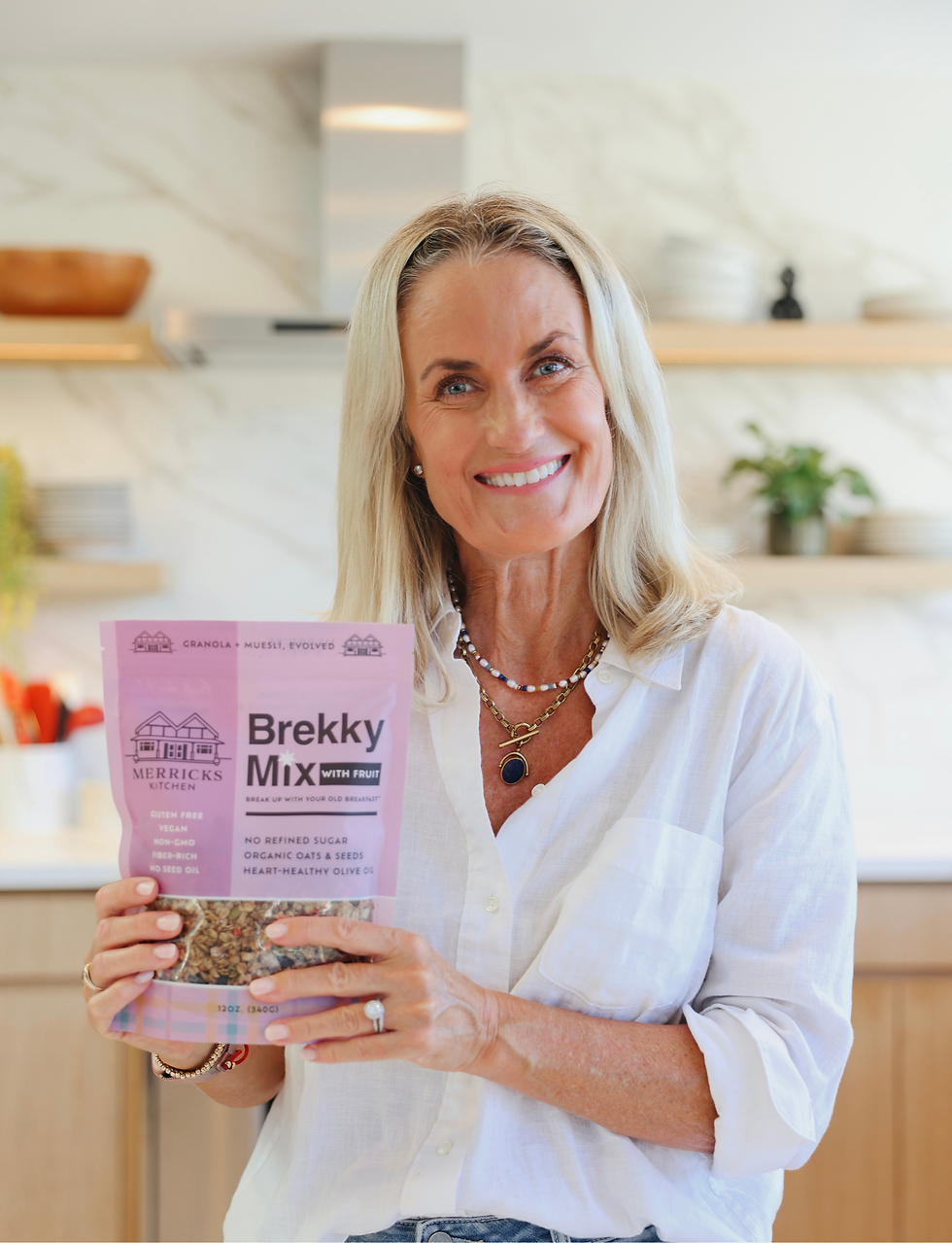
I know this shift personally. I spent years searching for a breakfast that met real health standards: low sugar, healthy fats, whole food ingredients, balanced nutrition. I couldn't find it, so I created Merricks Kitchen and Brekky Mix - a truly healthy granola.
Today, my daughter Isabelle works alongside me, because as a 20-something, she feels this shift just as strongly. A whole generation is demanding to know exactly what's in their food and why it matters.
Many of us building small food brands are women making the products we wish existed, food our own families could actually thrive on. We're not beholden to shareholders. We use premium ingredients because we prioritize health over shelf life. We're not trying to be "better than" the junk food aisle. We're trying to be genuinely good.
How Social Media Is Exposing the Truth
Videos of people reading ingredient labels are going viral. We're calling out brands hiding behind wellness marketing while quietly using cheap oils and excessive sodium. The new entrepreneurs and influencers are educators. Transparency wins.
My prediction for 2026: Brands misaligned with real food and federal guidelines will see sales drop. The era of "better for you" marketing is over. People want food that's actually good for them. And nutritional balance, not protein hype, is the quiet revolution most people are still missing.
Connect With Sarah


Comments