
Finding Your Voice
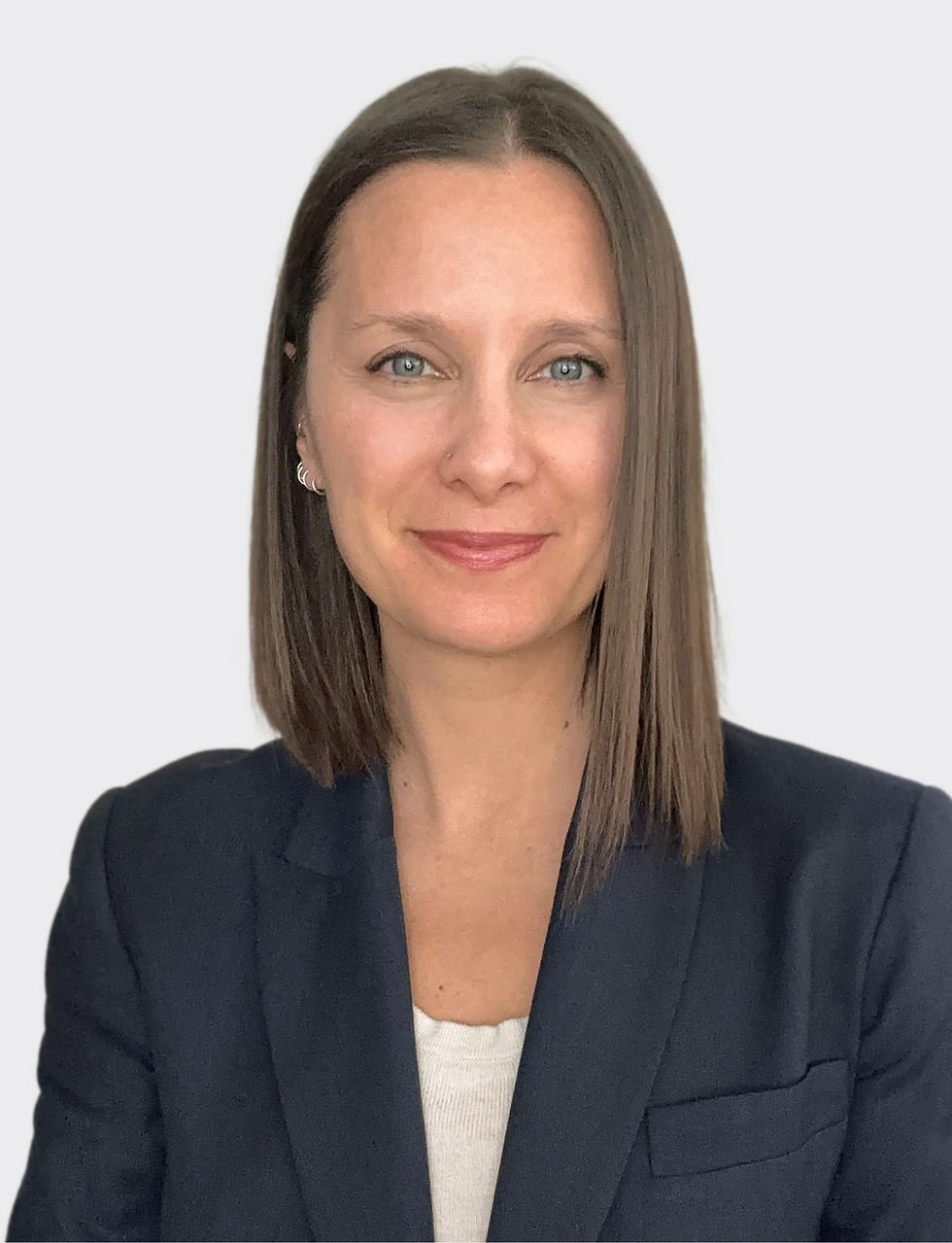
By Aja Chavez, LMFT, LPCC
VP of Adolescent Services at Mission Prep Healthcare

For years, I made myself smaller. I softened my opinions in meetings. I apologized before sharing ideas. I laughed off my accomplishments as luck rather than skill. Looking back, I see a woman who had been conditioned to take up less space, to make others comfortable at the expense of her own truth.
This pattern showed up everywhere. In my training as a therapist, I questioned whether I truly belonged. In professional spaces, I waited to be invited to speak rather than simply speaking. I watched male colleagues state opinions as facts while I framed my expertise as suggestions. The exhaustion of constantly editing myself became unbearable.
When did you stop dimming yourself?
The shift happened during a particularly difficult therapy session with a client who struggled with people-pleasing. As I helped her identify the costs of making herself small, I heard my own story reflected back to me. I was asking her to do the work I hadn't fully done myself.
That evening, I sat with the discomfort of my own dimming. I traced it back to childhood messages about being “too much” and “too intense”. I remembered teachers who praised quiet compliance and families that rewarded women for being agreeable. I recognized the subtle and not-so-subtle ways I had learned that my full presence was threatening.
The turning point came when I asked myself a simple question. What would I tell a client in my position? The answer was clear. You are allowed to take up space. Your voice matters. Your expertise is real.
What helped you claim your power?
Claiming my power required confronting the fear underneath the dimming. I was afraid of rejection, of being seen as difficult, of losing relationships. These fears were real, but they were also keeping me trapped. I started practicing small acts of courage. I stopped apologizing for my ideas. I shared my accomplishments without downplaying them. I said no to requests that drained me. Each time I chose authenticity over approval, I proved to myself that I could survive the discomfort.
My training taught me that our nervous systems hold onto old patterns of self-protection. I had to rewire the belief that being fully myself was dangerous. This meant sitting with the anxiety that arose when I spoke directly, when I disagreed, when I took credit for my work.
Community was essential for me. I surrounded myself with women who reflected my strength back to me. I sought out mentors who modeled unapologetic leadership. I stopped spending energy on people who needed me diminished to feel comfortable.
How can women lead unapologetically?
Leading unapologetically starts with rejecting the false choice between being liked and being respected. We have been taught that confidence in women is arrogance, that clarity is aggression, that courage is selfishness. These narratives serve to keep us small.
Unapologetic leadership means trusting your expertise. It means speaking with certainty about what you know. It means taking up the space your experience has earned you. It means understanding that some people will be uncomfortable with your power, and that is not your problem to fix. It also means supporting other women in their full expression. When we stop competing for the limited seats we have been told are available to us, we create more room for everyone. When we celebrate each other's successes, we challenge the scarcity mentality that keeps us dimmed.
The work of stepping into confidence, clarity, and courage is ongoing. There are still moments when I catch myself shrinking, when the old patterns resurface. But now I recognize them for what they are. They are invitations to choose differently, to honor the work I have done, to lead from my wholeness rather than my wounds.
You are not too much. You never were. The world needs your undimmed light.
Connect With Aja


Comments