
GlennonDoyle: We Can Do Hard Things
- Sep 18, 2025
- 3 min read
By She Rises Studios
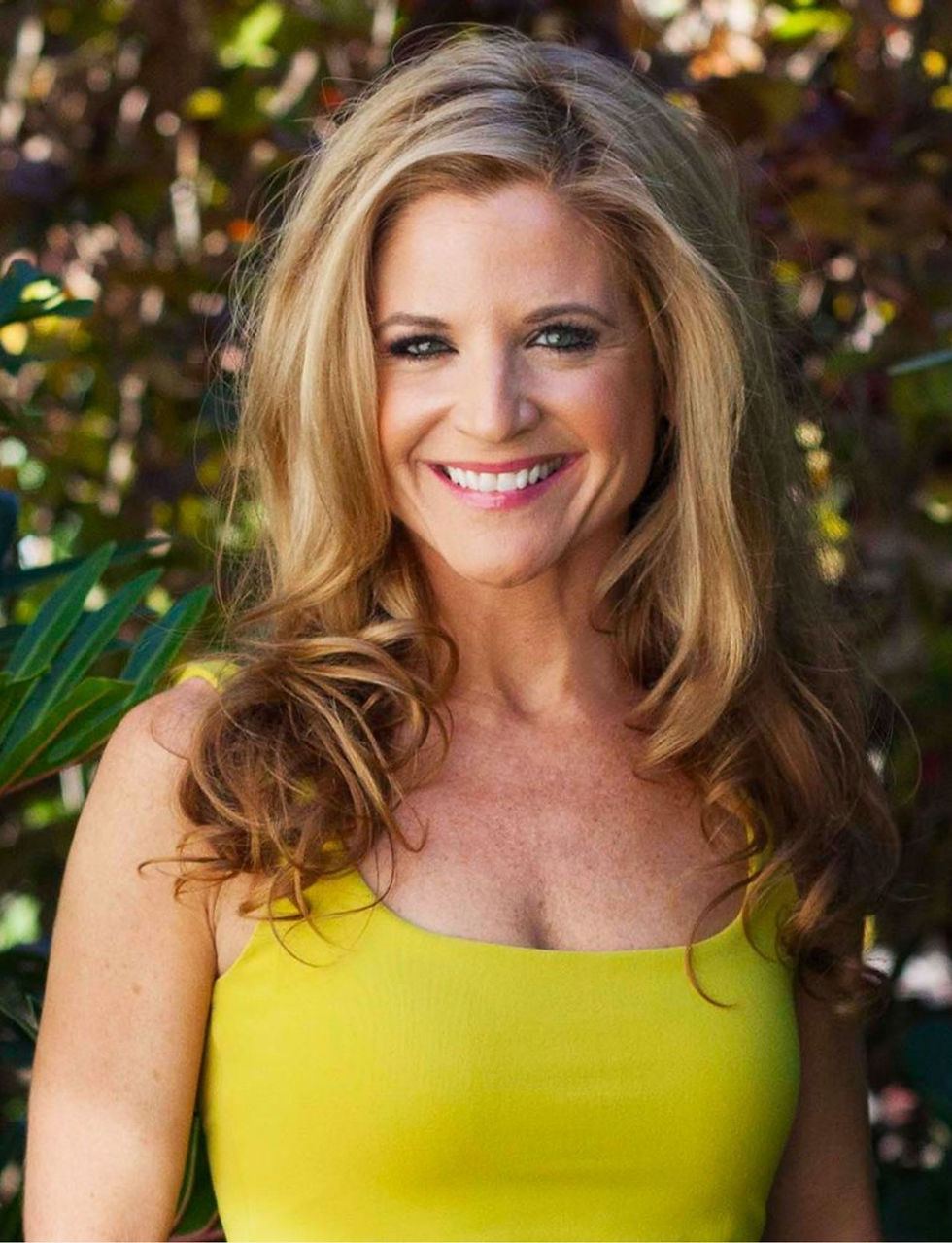
Glennon Doyle has built her career on telling the truth—the raw, unpolished, deeply human kind. As the bestselling author of Untamed, Love Warrior, and Carry On, Warrior, she has inspired millions to embrace authenticity, courage, and self-discovery. With her podcast We Can Do Hard Things, Doyle continues this mission by creating a space where listeners can explore life’s most difficult questions and find the strength to face them head-on.
The podcast, co-hosted with her wife Abby Wambach and her sister Amanda Doyle, is more than just a show—it’s a lifeline for people who crave honesty and connection. Each episode delves into topics that are often shied away from in everyday conversation: mental health, addiction, relationships, parenting, body image, gender, sexuality, and the messy complexities of simply being human.
By approaching these subjects with humor, vulnerability, and compassion, Doyle and her co-hosts remind us that doing hard things isn’t about being perfect—it’s about showing up, staying open, and refusing to quit.
We Can Do Hard Things resonates deeply because it reflects Doyle’s own journey. She has spoken openly about her struggles with bulimia, alcoholism, and living a life that once felt disconnected from her truth. Her personal transformation—embracing sobriety, coming out later in life, building a blended family with Wambach, and stepping into her role as a thought leader—demonstrates the power of choosing authenticity over approval. For Doyle, resilience isn’t just about surviving challenges; it’s about using them as a pathway to freedom.
Listeners describe the podcast as both comforting and challenging. It validates the pain and messiness of life while also offering tools and insights for navigating it with more courage and grace. The conversations are not about quick fixes or easy answers; instead, they offer companionship on the journey of growth. Guests like Liz Gilbert, Laverne Cox, and Brené Brown bring additional voices of wisdom, but Doyle’s signature honesty and empathy anchor every episode.
In the context of National Self-Improvement Month, Doyle’s message is especially powerful: self-improvement is not about becoming someone else, but about becoming more fully yourself. Her podcast invites listeners to let go of the impossible pursuit of perfection and to embrace the hard, necessary work of healing, accepting, and loving themselves. By normalizing the struggles we all face, We Can Do Hard Things empowers people to keep moving forward, even when the road feels overwhelming.

What makes Doyle’s approach so unique is her insistence that vulnerability is a strength. She dismantles the myth that resilience means being tough or invulnerable, instead redefining it as the willingness to feel deeply, to stay present in discomfort, and to trust that we are strong enough to endure. Her mantra—“we can do hard things”—becomes not just encouragement but a rallying cry for anyone in the midst of struggle.
The podcast also highlights the importance of community in the self-improvement journey. With Abby and Amanda by her side, Doyle models what it looks like to support one another through life’s hardest seasons. Their banter, laughter, and love create a sense of belonging that listeners carry with them long after the episode ends. In a world that often feels isolating, We Can Do Hard Things reminds us we don’t have to face our challenges alone.
As part of our Voice & Vision feature, Glennon Doyle stands as a beacon for those who want to live with more honesty and heart. Her voice cuts through the noise of self-help clichés with a grounded, lived truth that resonates across cultures and generations. She doesn’t just tell us we can do hard things—she shows us, by walking that path herself and inviting us to walk alongside her.
Ultimately, Doyle’s work is not just about surviving life’s hardships, but about finding the beauty, humor, and connection that exist even in the struggle. We Can Do Hard Things isn’t a podcast that promises to make life easier—but it does make it richer, more bearable, and infinitely more human.


Comments