
She Sang Through the Storm: The Life and Legacy of Miss Freddye, Pittsburgh’s Lady of the Blues
By Barb Wallace
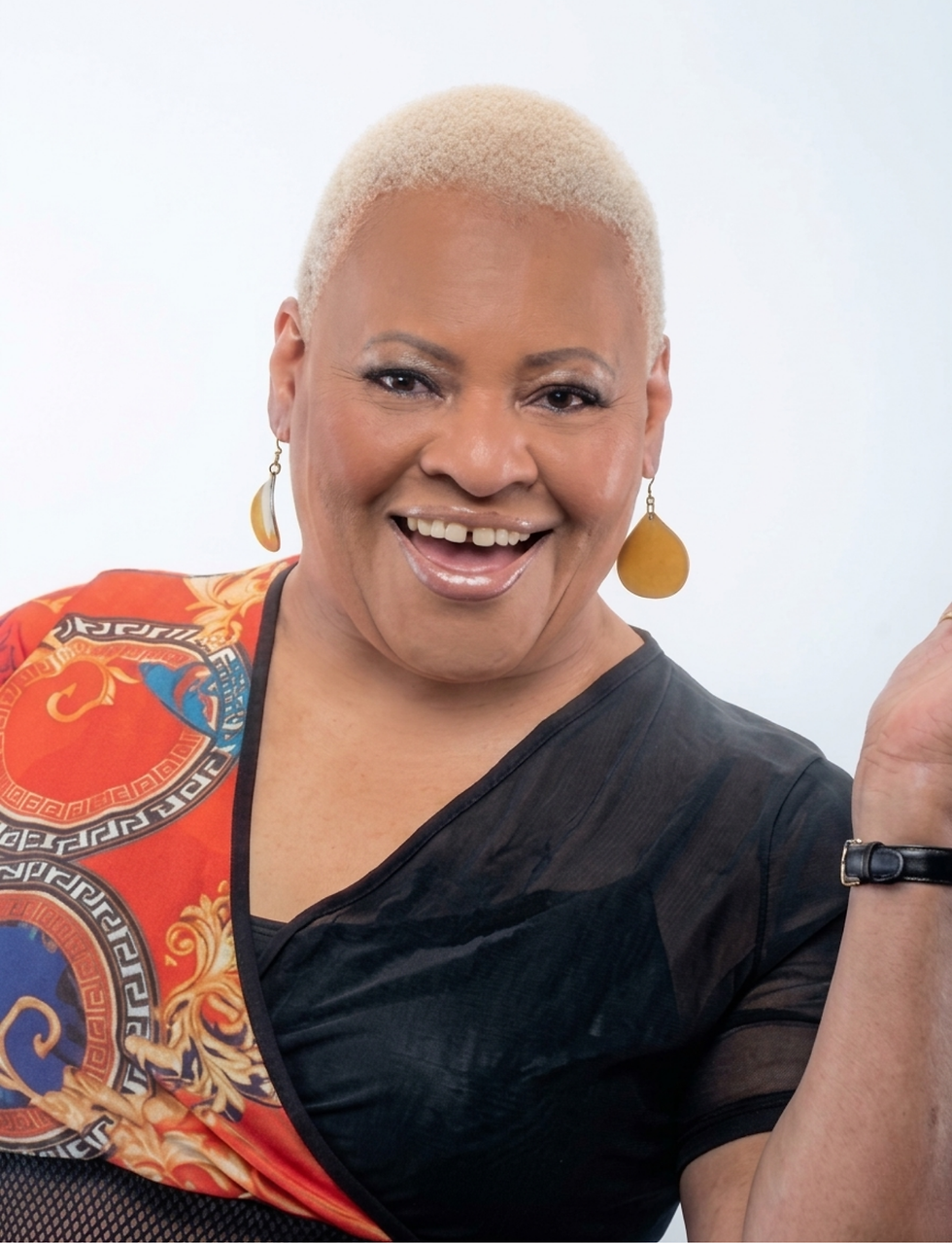
By the time Miss Freddye steps onto a stage, you already feel it—that quiet electricity in the room, the sense that something honest is about to happen. She does not rush. She does not posture. She sings.
And when she does, you understand why she is known as Pittsburgh’s Lady of the Blues.
Miss Freddye did not arrive at the blues by accident. Her roots were planted in gospel music, in church pews where faith and music intertwined and where every note carried testimony. Gospel taught her discipline. Life taught her depth. The blues gave her language.
Her journey has not been effortless. It has been earned.
Over the years, Miss Freddye has carved out a respected place in the contemporary blues world, scoring charting singles and albums that have resonated nationally. Her releases have appeared on blues charts and garnered radio airplay well beyond western Pennsylvania—no small feat in a genre that rewards authenticity but rarely hands out shortcuts. Each milestone represents decades of perseverance, refinement, and devotion to craft.
Yet statistics and chart positions only tell part of her story.
To speak with Miss Freddye is to meet a woman grounded in gratitude. She speaks of Pittsburgh not as a stepping stone, but as home. Pittsburgh is woven into her identity—the rivers, the neighborhoods, the resilient spirit of a city that reinvented itself without forgetting its steel-town backbone. She has performed across the region, becoming a beloved figure in local festivals, theaters, and community events. When she sings here, she sings among family.
And perhaps that is what makes her performances so powerful. They feel personal.
Miss Freddye’s voice carries warmth and grit in equal measure. There is strength there—born not of theatrics, but of experience. She sings of love that lifts and love that wounds. Of heartbreak survived. Of faith restored. Of joy reclaimed. Her delivery does not demand sympathy; it invites understanding.
Throughout her career, she has shared stages with respected artists in the blues and soul circuits, further cementing her reputation as both a formidable vocalist and a consummate professional. Yet she remains deeply connected to the next generation of musicians, often supporting fellow Pittsburgh artists and advocating for live music in her community. She understands that legacy is not simply about recognition; it is about responsibility.
In many ways, Miss Freddye represents a bridge—between gospel and blues, between past and present, between local roots and national reach. She embodies the tradition of women who have shaped the blues not only with power, but with poise.
And there is poise.
Offstage, she is thoughtful and gracious. Onstage, she commands attention with a quiet authority. The transformation is not theatrical; it is natural. Music, for her, is not performance alone. It is a calling.

Her chart success may have introduced her to wider audiences, but it is her integrity that sustains her career. In an industry often driven by reinvention, Miss Freddye has remained steadfastly herself. She does not chase trends. She honors tradition while making it unmistakably her own.
When asked what continues to inspire her, she often speaks of gratitude—gratitude for the journey, for the listeners, for the city that shaped her. Pittsburgh’s Lady of the Blues is not a title she wears lightly. It reflects a lifetime of dedication and a bond with her community that feels reciprocal.
In the end, Miss Freddye’s story is not simply about music charts or accolades. It is about resilience. About faith. About a woman who found her voice—and used it to uplift others.
And when she sings, you believe every word.
Connect With Miss Freddye


Comments