
Sustainable Leadership: The New Standard
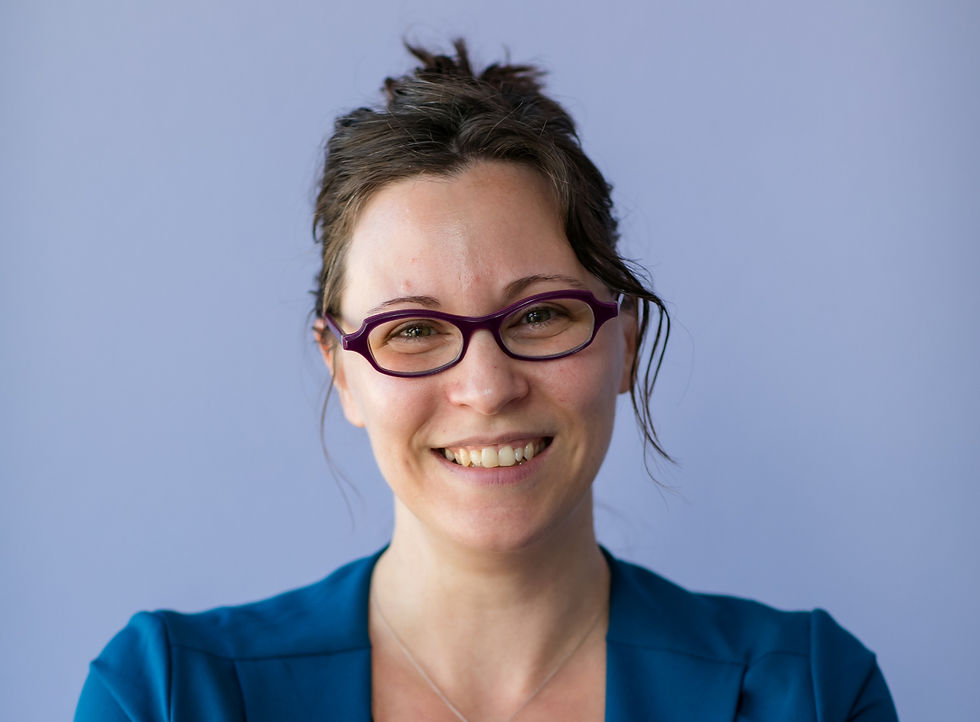
By Christina Bedal, SPHR

Ambition is easy to applaud when it’s shiny. Promotions. Bigger scope. More influence. The “she’s killing it” story that sounds good in a LinkedIn caption. But, sustainable leadership is different.
It’s the unglamorous skill of staying effective without turning your life into collateral damage. It’s learning how to lead with ambition and boundaries, because if your leadership only works when you’re overextended, it’s not leadership. It’s a personal emergency plan.
I learned this the hard way: burnout doesn’t always arrive with fireworks. Sometimes it shows up as a slow leak where your patience gets shorter, your sleep gets lighter, your calendar gets heavier, and one
day you realize you’re leading on fumes while everyone assumes you’re fine because you’re still producing.
So how do you lead without burning out? You start by telling the truth about what burnout actually is. Burnout isn’t just “too much work.” It’s too much responsibility without enough recovery. Too much emotional labor without enough replenishment. Too much visibility and decision-making without any space to be human. It’s not only the hours. It’s the constant load: the meetings, pressure, conflict, performance issues, politics, and the silent expectation that you will absorb everyone else’s chaos like it’s your job.
A sustainable leader doesn’t pretend that load is normal. She audits it. I have had to learn to do a simple check-in every week: What am I carrying that isn’t mine? That includes emotional weight (managing someone’s reactions), invisible work (fixing problems before anyone notices), and unnecessary ownership (being the default for every decision because it feels faster). If it’s not mine, I hand it back, delegate it, or name it. And that’s because sustainability isn’t a personality trait. It’s a system.
Here are three practices that changed my leadership stamina:
1) Stopped confusing accessibility with leadership.
Always being available is not the same as being effective. It trains people to treat your attention like an unlimited resource.
I now protect focused time like it’s a meeting with my most important client, because it is. I’m clear and set expectations for those waiting for me to respond or produce for them.
2) Built boundaries that don’t require a crisis to enforce.
If the only time you set limits is when you’re already overwhelmed, your boundaries will present as sharp, reactive, and guilty. Sustainable boundaries are calm, consistent, and boring. “I can do A or B this week, not both.” “Let’s revisit this tomorrow when we’ve had time to think.” This isn’t rigidity, it’s leadership that respects reality.
3) Learned to recover on purpose.
Recovery isn’t a weekend if your weekend is filled with worry. Recovery is whatever returns you to yourself: sleep, movement, quiet, laughter, a long walk, a chat with someone who doesn’t need anything from you. I stopped treating recovery like a reward, but instead as maintenance.
A sustainable leader has at least three kinds of support:
A truth-teller: Someone who can say, “You’re doing too much,” and you’ll actually listen. A reality check.
A peer circle: Other leaders who understand the pressure and can normalize the hard parts without judgment.
A personal anchor: A routine, coach, faith practice, partner or friend. Something that reminds you that your worth is not measured in deliverables.
The truth is: ambition will take everything you give it. It will happily consume your health, relationships, peace, and your identity if you let it. Sustainable leadership is choosing ambition with limits. Lead with drive and impact without building your legacy on your own depletion. That’s not balance as a buzzword. That’s leadership that lasts.
Connect With Christina


Comments