
The Gardener and the Phoenix
- May 6
- 3 min read
By Sam. E. Tschritter
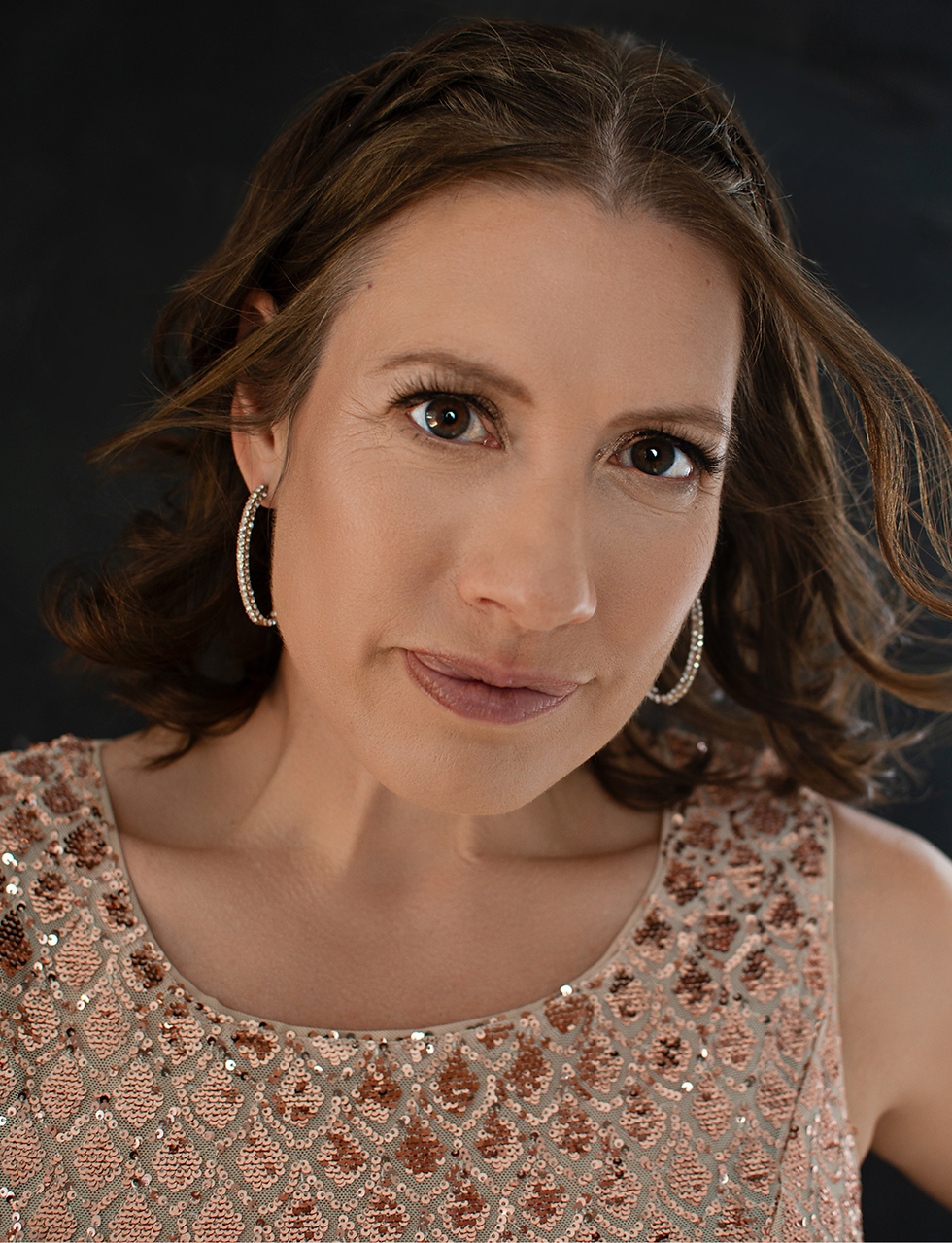
At the age of thirty-nine, I sat in a plastic chair opposite the window and withdrew the documents the SSA clerk requested: social security cards, my daughters’ birth certificates, marriage certificate… and my husband’s death certificate. I can’t believe I’m here. I can’t believe this is my life. Tucked within the folds of these official papers, I spotted an old, magenta-bordered sheet of stationery, with poem stanzas in my handwriting stretched across the page. Along the right side of the paper, I’d doodled various words that rhymed with one another.
I glanced at the first several lines of the poem and my eyes popped like Daffy Duck pelted in the stomach with an anvil.
When did I write this? My wannabe sleuth bubbled to the surface. I recognized the stationery from high school. I didn’t use vocabulary this extensive in high school. Plus, the rhyming game in the margin, the limited use of passive verbs, and the folder I found the paper in suggested a writing date within the last couple years.
“Huh? What?”
“I asked what your daughter’s name is.”
Daughter’s name. Daughter’s name. I know this one. I answered and dropped my eyes back to my scribble. I would have remembered writing this after Clint’s death. The analogy is too acute.
My best educated guess is that I wrote the poem, “The Gardener and the Phoenix” within the 20 months of my husband Clint’s cancer diagnosis and his death.
When I collected poetry for my book, She Told Them They Were Loved, there was no doubt in my mind which poem should be listed first. When you read this, you’ll understand why.
We all experience moments of feeling overwhelmed or inadequate. If you find yourself in one of these life moments, I pray that this poem speaks to your heart.
Trust that beauty will come from brokenness. Have faith that you will recognize the transformation after your storm has passed.
Gardener and the Phoenix
I’ve foolishly believed time and again That I author my life, that I hold the pen. “Life to the fullest,” God wanted for me, So I contrived and I scribbled and I wrote fervently.
But the stories never ended the way I planned— Tragedies invaded the script in my hand.
Outside in the garden, I threw my effort to the fire, My hopes and my dreams and all I aspired. With the weighted knowledge Life would ne’er be the same I watched dark smoke chortle up from the flames.
I awoke the next morning, drenched in grief Empty of tears, but starved of relief.
I peeked out the window to witness dawn of new day And saw a form near the ashes through vanishing haze.
The gardener crouched, with moisture in his eyes And scattered the ashes as he silently cried.
Then I heard him speaking into the still His voice, hands, heart manifested his will. His tears landed like crystal seeds And where each drop fell, a sprout conceived. He patted the soil with gentle grace, And from the ashes, beauty rose in its place.
He lowered himself against a tree. Withdrawing parchment and ink, He scrawled against his knees. Not simply a gardener, I realized, The Creator, Redeemer, the Author of Life.
I rushed to the garden. I knelt at his feet. I surrendered the pen I’d been tempted to keep. “Write me broken, devastated, scared and confused. Write me lonely, battered, exhausted and bruised.”
He laughed at my request, which I didn’t expect, And laid aside his story to straighten the facts. “I’ll write you bold, brave, strong, artistic and kind. I’ll write you tender, steadfast, generous and wise. Battle-scarred, perhaps, but as always with us Blessing awaits on this side of trust.”
I stared over his shoulder at the illustration he’d drawn. Glorious, exquisite, blazing brawn. “Tragedy with my ink is blessing blurred in disguise. I’ve depicted you as a phoenix. From these ashes we’ll rise.”
Trust that beauty will come from brokenness. Have faith that you will recognize the transformation after your storm has passed.
More about She Told Them They Were Loved by S. E. Tschritter:
Following her 38 year old husbands death, S. E. Tschritter devised her own epitaph and purpose statement: she told them they were loved. Within these poems, S. E. Tschritter dives into the dark void between sorrow and hope, validating the thoughts and emotions of the hurting. As the griever, these words will resonate. As the friend dying to help, these poems grant insight into the pain when someone loses a child, spouse, parent, or loved one period combined with stunning photography, this poetry offers the perfect gift to say “I love you” when you cant find the words yourself.
Connect With Sam


Comments