
The Leadership Lesson That Saved Me From Burnout
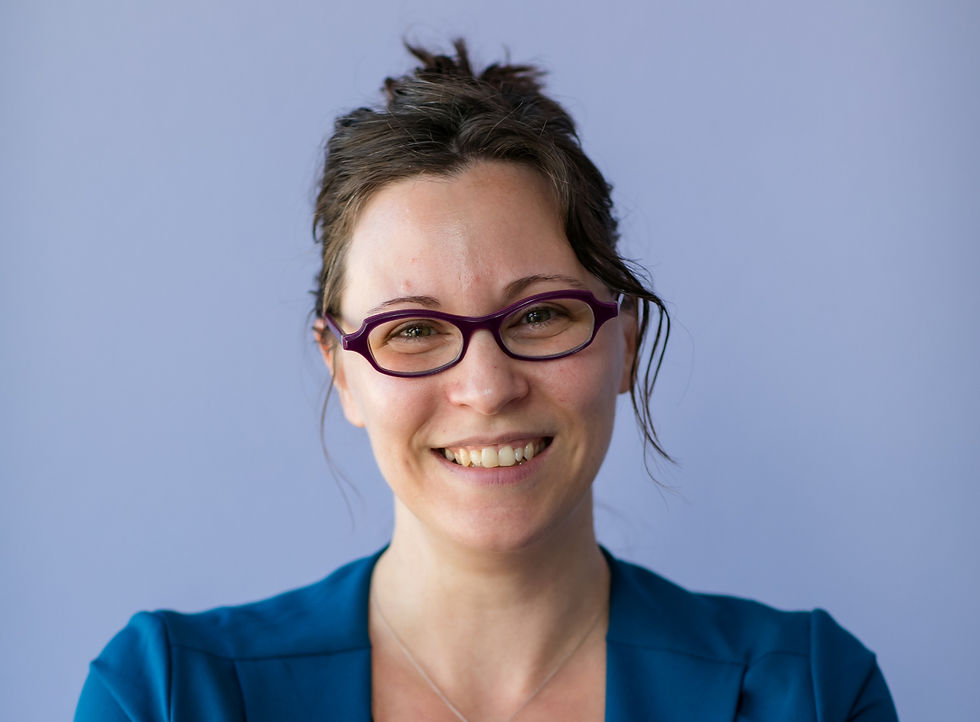
By Sharmon Lebby

I used to give too many chances. Too much grace. Life was hard, stuff happened, and we were all just trying to make it through. Then I realized that mentality was slowly killing me. I was picking up the slack when people weren't doing their work. I was overworked because I failed to hold people accountable. That's when I learned some very important lessons about leading without losing yourself in the process.
You need systems in place. Real ones.
For a long time, I thought flexibility meant having no structure. I was wrong. The kindest thing you can do for your team is create clear systems they can rely on. When people know how things work, when deadlines actually mean something, and
when there's a predictable rhythm to how decisions get made, they can do their best work. Systems aren't about control. They're about creating a foundation so you're not constantly reinventing the wheel or making judgment calls in the moment when you're already exhausted.
Everyone needs to know what they are responsible for and what success looks like.
Ambiguity breeds anxiety and inefficiency. I learned this the hard way. People didn’t fail because they didn't care. They were failing because they genuinely didn't know what I expected. Now I'm explicit about outcomes. What does done look like? When is it due? Who owns this? There's no need to harp on failure. People know when they haven't accomplished what they need to. But they can't hit a target they can't see.
Grace is important, but you need boundaries.
This was the hardest lesson for me. I thought being a good leader meant being available all the time, saying yes to everything, and absorbing everyone else's stress. The win that came from slowing down? I started saying no. Not to be cruel, but to preserve what I had left to give. I started protecting my time and my capacity. When I stopped trying to be everything to everyone, I became more effective for the people and projects that truly mattered. Sustainable leadership isn't about how much you can carry. It's about knowing what to put down.
Admit your own wrongs.
When I started being honest about my own mistakes, something shifted. It made people more comfortable admitting when they couldn't handle things. It let them know that mistakes are okay, that we're all learning, that perfection isn't the standard. I've said "I messed this up" and "I should have communicated better" more times than I can count. And every time, it builds trust. Your team doesn't need you to be flawless. They need you to be human so they can be.
Make sure you're providing a safe space.
This goes hand in hand with setting boundaries and being honest about where you’ve fallen short, but it deserves its own spotlight. People are more productive when they feel seen and appreciated. Not in a performative way (nobody needs another pizza party), but in the small, consistent ways that matter. Checking in. Listening when someone says they're struggling. Celebrating the wins, even the tiny ones. Acknowledging effort, not just outcomes.
The support systems that matter most? They're the ones you build intentionally. A team that knows you have their back. Colleagues who will tell you the truth. And most importantly, the boundaries that let you show up as your best self instead of a burned-out version of who you used to be.
Leading without burning out isn't about doing less. It's about doing what matters, with the people who matter, in a way that doesn't cost you everything.
Connect With Sharmon


Comments