
The One Who Saved Me: Rediscovering Vitality Through Surrender
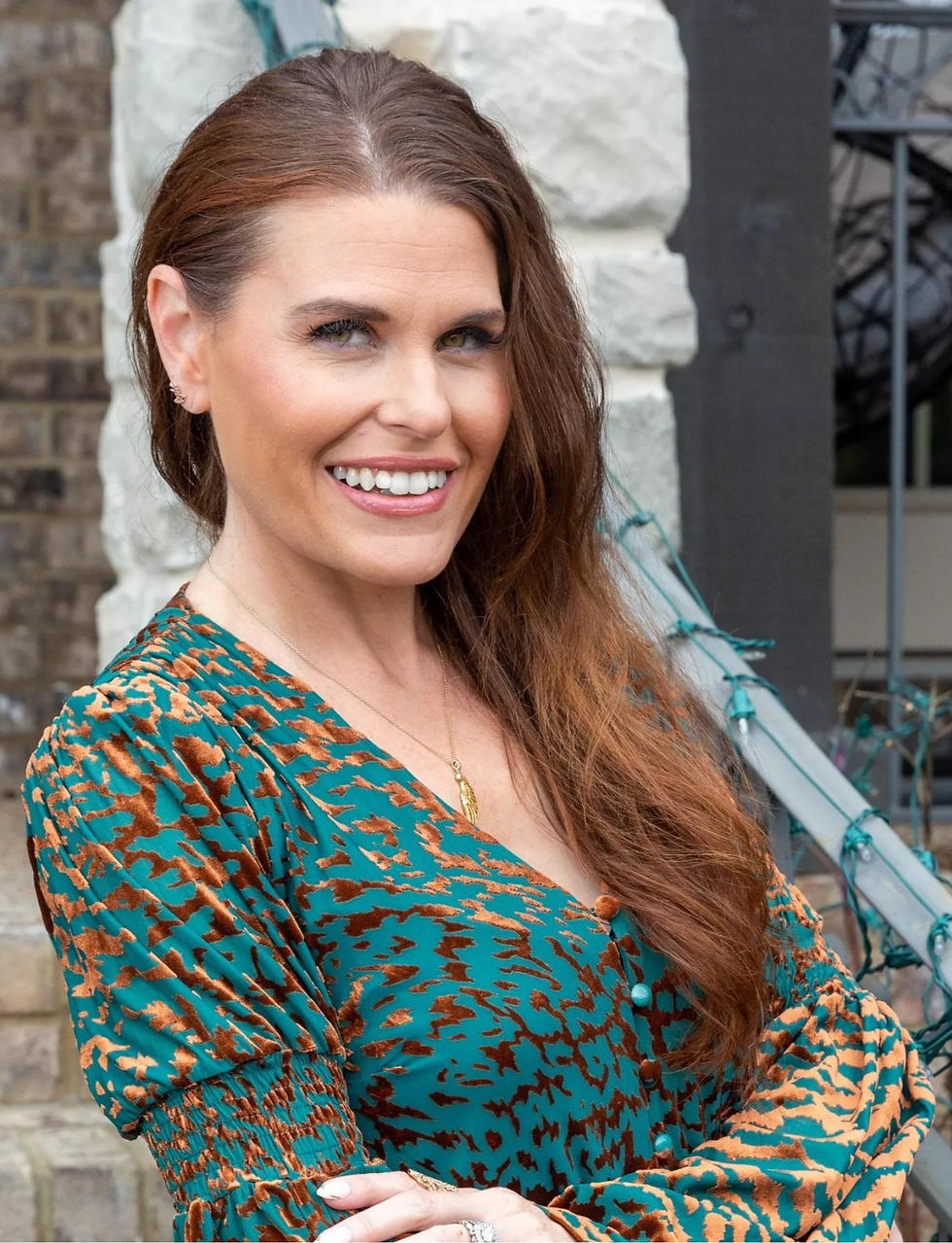
By Alison Jacaruso

For years, I lived disconnected from my own sense of vitality.
I did what many women do. I pushed through exhaustion, managed stress, and told myself rest would come later. On the outside, my life looked productive and full. On the inside, my body was tense, my breathing shallow, and my spirit weary. I thought I loved God, yet I struggled to feel at peace.
What I didn’t know then was that my body had learned survival, not rest.
That realization and the surrender that followed became the beginning of true restoration. It’s also what led me to write The One Who Saved Me.
When the Body Carries the Weight
Vitality is often discussed as energy, health, or motivation. But true vitality runs deeper. It’s the sense of safety in your body. The ability to breathe fully. The quiet confidence that you are held, supported, and not alone.
For much of my life, I lacked that foundation.
Like many women, I carried stress in my body long before I had language for it. My nervous system was constantly on alert, shaped by pressure, responsibility, and the belief that I had to hold everything together. Even in faith, I found myself striving, trying to be strong, faithful, and capable rather than rested and surrendered.
Eventually, that way of living caught up with me too.
The moment I finally stopped striving wasn’t dramatic. It was honest. I cried out to God not for answers, but for help. And instead of meeting me with expectation, He met me with presence.
That encounter marked the beginning of a different kind of vitality, one rooted in surrender rather than effort. One that isn’t normally celebrated or considered.
A Different Definition of Healing
The One Who Saved Me was written for women who are tired of trying to heal themselves.
It’s for those who have done the inner work, the self-reflection, and the self-improvement and still feel depleted and stagnant. For women who desire faith that reaches beyond belief and into embodied peace.
What I discovered through my own journey is that healing doesn’t begin with doing more. It begins with letting go.
As I learned to surrender control and trust God with the places I had been managing on my own, my body responded. My breath deepened. My nervous system softened. I began to experience what I now understand as restoration not just spiritually, but physically and emotionally.
This experience shaped what I now teach as His Breath.
His Breath and Restoring Vitality
His Breath is a Holy Spirit–led approach to restoration that invites God into the places where stress, fear, and survival have been stored in the body. Through intentional breath awareness, prayer, and scripture, it creates space for the nervous system to experience safety again.
This is not about controlling the breath or forcing relaxation. It’s about surrender, allowing the Breath of Life to restore what has been strained or depleted.
True vitality flows from peace. And peace flows from presence.
Jesus doesn’t just offer spiritual salvation; He restores the whole person. When we allow Him to meet us at the level of the body and nervous system, vitality becomes something we receive rather than chase.
This understanding is woven throughout my new book, The One Who Saved Me.
A Book Rooted in Restoration
At its core, The One Who Saved Me is a testimony. It doesn’t offer formulas or quick fixes. Instead, it shares a journey from survival to surrender, from exhaustion to restoration, and from striving to trust.
Through personal story and scripture, the book gently invites readers to re-examine where they may be holding tension, control, or fear and to bring those places into God’s care. It emphasizes identity in Christ, rest as a spiritual practice, and healing as a relational process with Jesus.
Vitality, I’ve learned, is not about doing life harder. It’s about living life held.
Why This Matters Now
We are living in a season where many women feel stretched thin. Mentally, emotionally, spiritually and physically. Burnout has become normalized, and rest is often treated as optional or indulgent.
But the invitation of God has always been different.
Rest is not weakness.
Surrender is not failure.
Weakness is not actually weak, it allows us to receive super natural strength from the one who strengthens us.
And healing does not require striving.
The One Who Saved Me exists to remind women that restoration is possible and that it begins with allowing God to meet us where we are, not where we think we should be.
An Invitation to Breathe Again
As my book releases this March, my hope is that readers feel permission to slow down, soften, and return to the presence of God. To his presence, His Breath and His Peace in full wholeness. Not to fix themselves, but to be restored.
Vitality is not found in effort alone.
It’s found in surrender. In renewal.
And it flows from the One who saves.
Connect With Alison


Comments