
Writing Through It: How Putting Words on a Page Changes Everything
By Tiffany McQuaid
Regional Director of Strategy and Performance, SERHANT
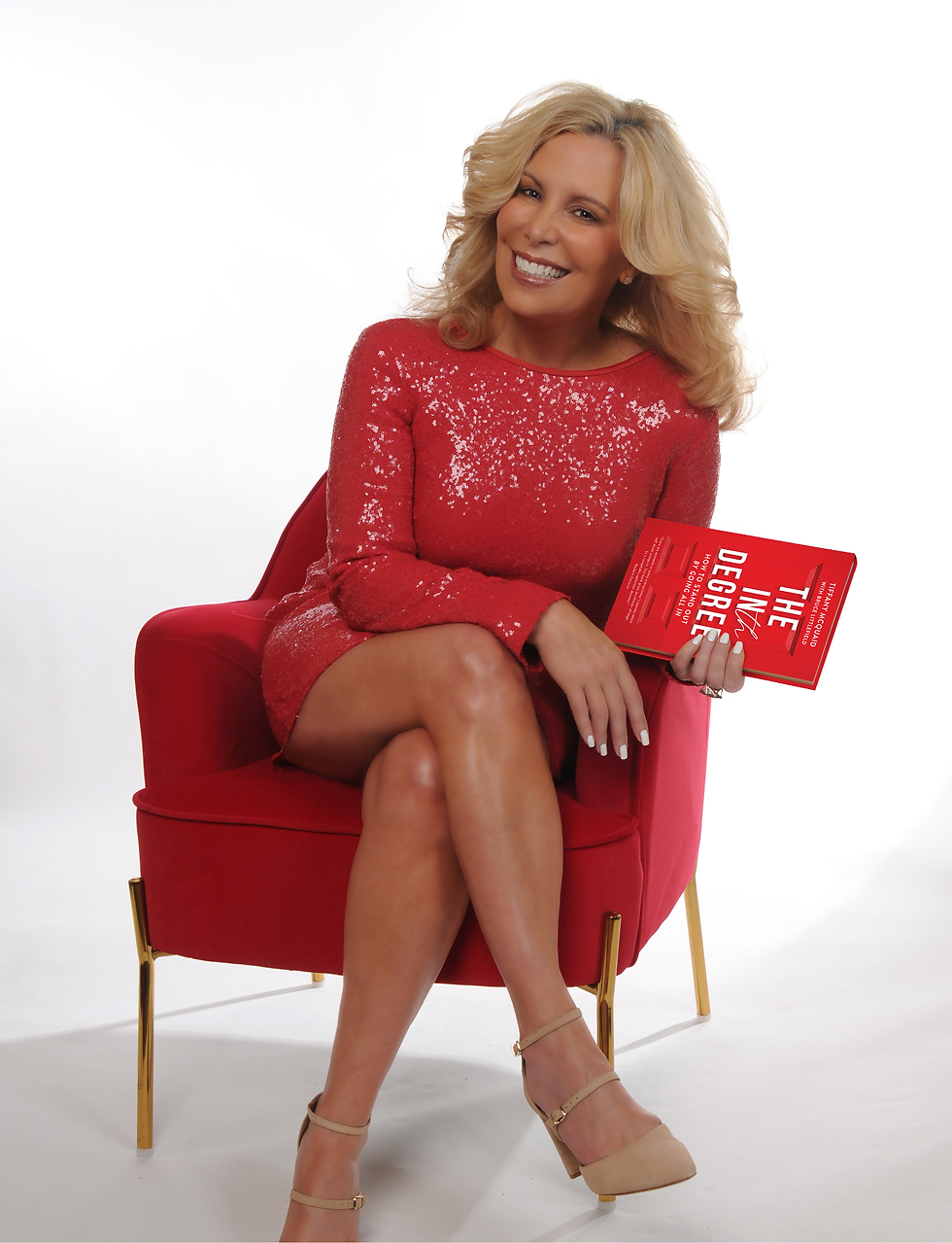
I never set out to become a writer. I set out to survive.
I grew up in Ohio with a mother who loved fiercely and a father who struggled with his own inner demons. He died when I was still young. My mom followed later. Between those two losses and everything that came after, including building a business from scratch, navigating a devastating personal betrayal, and eventually walking away from everything I'd spent 22 years creating to start over at a national level, I had plenty of material.
But it wasn't until I actually sat down and wrote it out that I understood any of it.
That's the thing about writing people don't talk about enough: it doesn't just document what happened. It helps you figure out what it meant.
When I wrote The INth Degree, I wasn't writing a business book. I was writing my way through the hardest seasons of my life and pulling out whatever wisdom was still standing. The clarity I found in that process surprised me. Thoughts that had swirled in my head for years, half-formed and tangled, became something I could actually look at, examine, and decide what to do with. Writing slows your thinking down enough to see it.
I think that's why storytelling lands so differently than advice. When someone hands you a framework or a five-step plan, you can appreciate it without really absorbing it. But when someone tells you what it felt like to sit in a quiet church after their world fell apart and realize they had everything they needed inside them already? That gets in.
A story is relatable when it's specific. Not when it's cleaned up and packaged nicely, but when it has the actual texture of someone's real experience in it. People don't connect with polished summaries of struggle. They connect with the moment before someone figured it out, when it was still messy and uncertain and real.
The children's book I wrote after The INth Degree, There is Always Hope, was born from that same truth. I wanted kids who were navigating loss or sadness or hardship to see themselves in a story, not just receive a lesson. Because there's a difference. A lesson tells you what to think. A story lets you feel something first, and then the understanding follows on its own.
Turning your experience into something valuable for someone else requires one honest question: what would I have needed to hear when I was in the middle of it?
Not the version of the story where you've already figured it out. The earlier version. When you were still confused or scared or completely unsure if things were going to be okay. Write from there. That's where the real connection lives.
I spent years thinking that the hard chapters of my life were things to eventually get past. Writing taught me they were the whole point. The loss, the failure, the reinvention, all of it was data. All of it had something to say. The act of writing helped me hear it.
If you're sitting on a story, write it. Not because it will be perfect. Not because you know how it ends yet. Write it because the process itself will show you something you couldn't see before.
That's what writing through it actually means.
Connect With Tiffany


Comments