
Yana Yaneva and the Architecture of Identity: Rebuilding the Self from the Inside Out
By She Rises Studios Editorial Team
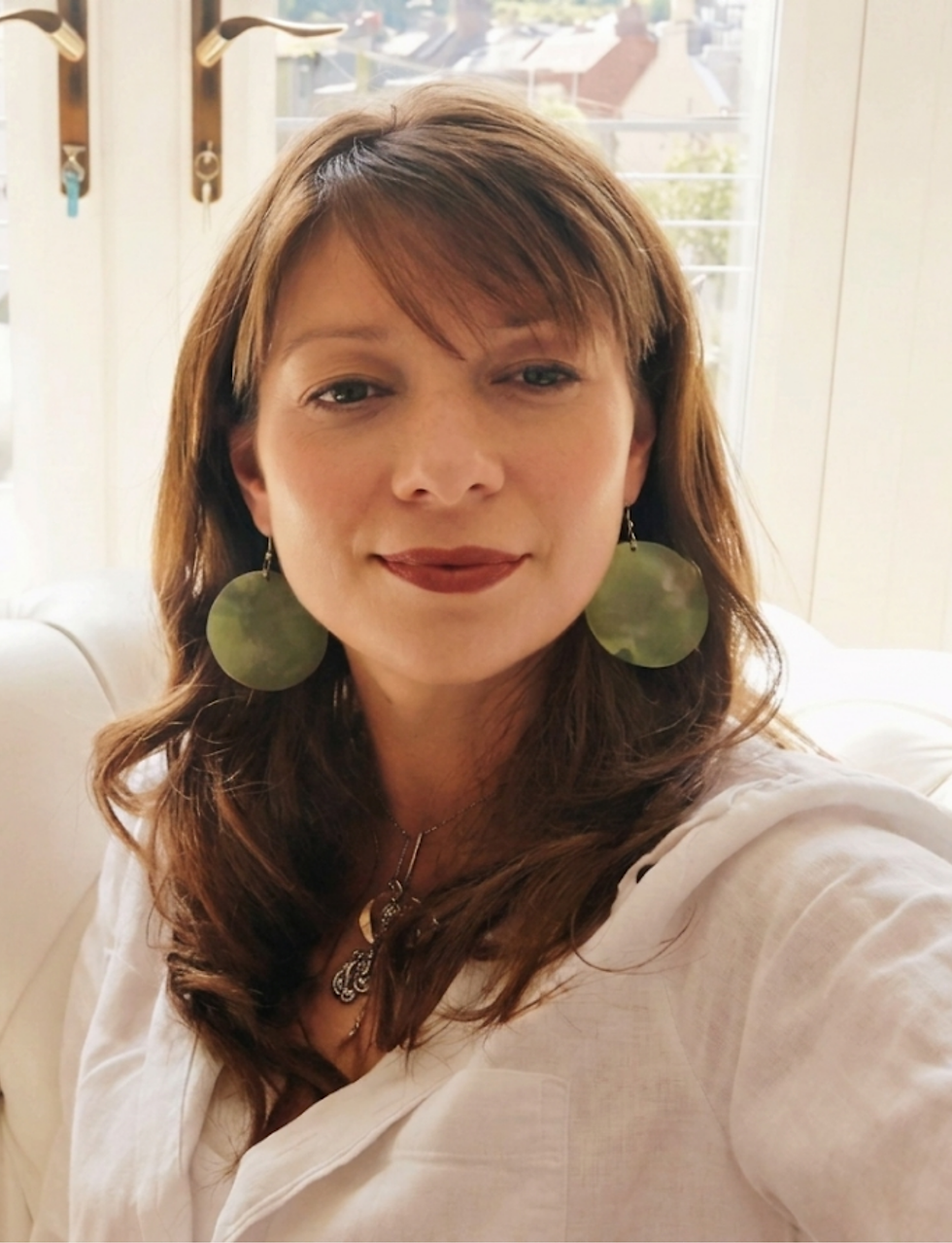
For Yana Yaneva, identity is not something inherited from achievement, titles, or recognition. It is something constructed deliberately, layer by layer, often in moments when everything familiar falls away. As the creator of Identity Architecture and a leader working at the intersection of behavioural psychology, philosophy, and institutional credibility, she has built a body of work that challenges one of the most persistent myths of modern culture: that success defines the self.
Her philosophy did not emerge from a dramatic breakthrough or a sudden moment of clarity. It began quietly, during a period in which she lost her job, her relationship, and her sense of direction within a short span of time. Instead of a revelation, what followed was a long process of questioning. Rather than asking why these events had happened to her, she began asking who she was without them. That shift became the foundation of everything that followed.
In the silence that followed that collapse, Yana returned to the thinkers she had once studied and set aside. She revisited the work of Epictetus, Seneca, Marcus Aurelius, Dostoevsky, and Jung, not as abstract intellectual figures but as companions in a practical investigation of what remains when external identity disappears. From this exploration emerged the central insight that would shape her work globally. Identity is not what happens to a person. It is what they build underneath what happens.
This perspective now defines Identity Architecture, her structured approach to helping people develop an internal foundation strong enough to withstand disruption. At its core is a distinction she considers essential but often overlooked: the difference between needs and desires. A person may need shelter, but what they truly desire is a sense of home. Understanding which motivations belong to survival and which belong to meaning can reshape the direction of an entire life.

Yana’s work also challenges the assumption that identity is built through accomplishment. Drawing from both ancient philosophy and modern psychological research, she argues that identity forms through adversity met with awareness. Achievement may decorate a life, but it cannot support it on its own. When individuals define themselves entirely through performance, they risk losing themselves the moment that performance ends.
Her own experience reinforced this insight. In professional environments where her perspective was not welcomed, she gradually learned to silence herself in order to belong. Over time, that silence affected not only her work but her physical wellbeing and sense of worth. When that chapter ended, she realized how much of her identity had been anchored in approval rather than conviction. The reconstruction that followed became both personal practice and professional methodology.
Today, Yana serves as Chairwoman of the British Psychological Society in Scotland while also leading initiatives such as PandoraSoul, Letters from the Ancient, and the Identity Architecture programme.
Rather than seeing science and inner transformation as opposing forces, she treats them as complementary. Ancient philosophical practices, she explains, anticipated principles that modern psychology now describes through neuroplasticity, anchoring theory, and embodied cognition.
Letters from the Ancient is a monthly physical subscription created by Yana for people who want to bring this philosophy into daily life. Each month, a handwritten-style letter arrives, written as if Epictetus, Seneca, or Marcus Aurelius sat down and wrote directly to the reader about the life they are actually living. Sealed in wax and sent from Edinburgh, each envelope also contains a ritual, a brass key, and a silver symbol to carry as a daily reminder. Subscriptions are available worldwide at pandorasoul.com/letters.
This integration allows her to move confidently between academic credibility and personal transformation work. For Yana, the most rigorous approach is one that takes data, history, and lived experience equally seriously. Scientific authority matters not as a performance of expertise but as a way of grounding inner work in evidence that people can trust.
Across her programmes, she has observed a recurring pattern among the women she works with. Many are highly accomplished by external standards, yet privately feel as though they are disappearing within their own lives. Often this realization comes after a sudden change such as the loss of a relationship, a job, or a sense of community. These moments can lead either to deep uncertainty or to the beginning of honest self inquiry.
What most often stands in the way of that inquiry, she believes, is not lack of courage but a deeply ingrained belief that a person’s value depends on their usefulness to others. This belief can remain invisible for years, shaping decisions without being questioned. When someone finally says they do not know what they want, only what others expect from them, Yana considers that sentence a beginning rather than a problem.
Her upcoming book, ENOUGH, is a dialogue between her own life and the philosophers who understood it long before she was born. In her view, enough is not a comforting affirmation or a temporary emotional state. It is a structural condition in which a person’s worth is no longer dependent on approval, metrics, or comparison. From that position, ambition does not disappear. It becomes clearer and more durable.

Arriving at enough means walking into a room without measuring one’s belonging against others’ reactions. It means making decisions without days of second guessing. It means disagreeing respectfully without apology because one’s position is grounded internally rather than externally.
For Yana, this is not theory.
It is practice shaped through philosophy, psychology, and lived experience. The inner work, she often says, is the work. Everything else is management.
Through her writing, leadership, and programmes, she continues to invite people into a different kind of question. Not who they are supposed to become, but who they already are when performance ends. In that question, she believes, the strongest foundations are built.
ENOUGH is expected to be published in 2026. Readers can join the waiting list, receive the first chapter, and be among the first to hold a signed copy at https://www.pandorasoul.com/book


Comments