
Becoming Embodied
- Oct 2
- 3 min read
By Lisa Sonin Larsen, PsyD
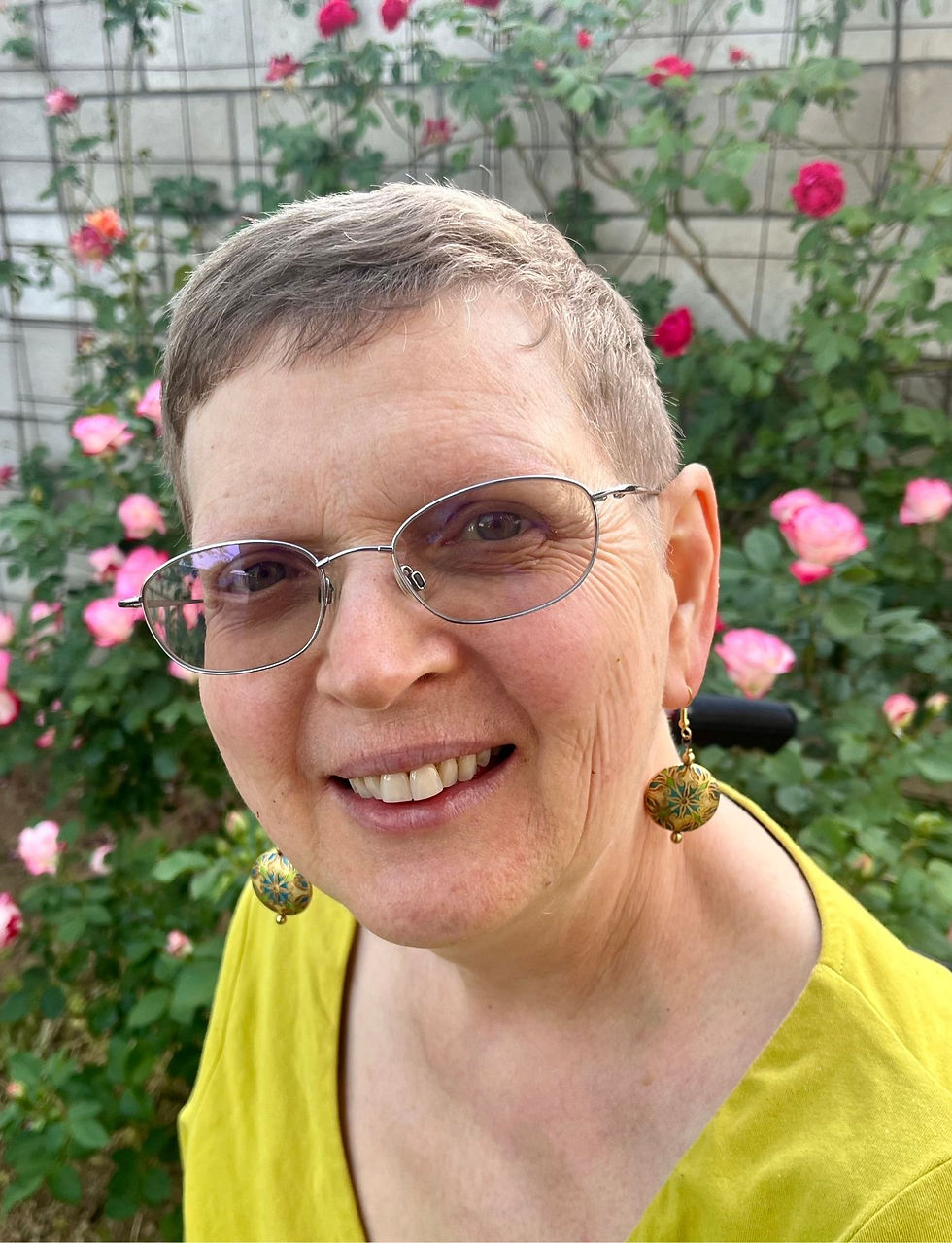
Becoming embodied is my victory that I am claiming moment by moment. I started as a large baby crowded in the womb and born a month late. I was born with hip dysplasia and had to stay in casts and braces until preschool. This limited my mobility and my ability to explore the world with my body, which seemed to create an inner schism from myself. I ran into things and was accident-prone.
There seemed to be a mismatch between the physical world and its demands, and how I responded.
In addition to this, I was sensitive to foods and other environmental agents. This seemed to frustrate my mother, who wanted to dress me up like a doll and had little regard for my physical needs or expression.
When I sang, it was off-key and so I received correction; when I danced it was inelegant. My nose was too crooked and my ears stuck out. There wasn’t anything positive my mother said about my body until early adulthood; by then I had learned that my body was unsafe to inhabit. Yet I learned that implicitly; I never consciously decided to check out of my body. There were few times when I could enjoy my body – movement, meeting bodily needs, eating, drinking – without criticism from my parents.
Gradually, I became chronically ill from my mid-20s and going forward. I injured myself several times and didn’t recover fully. I never took care of the injuries properly. Part of the problem was I didn’t treat my body like it had value. I saw myself through my mother’s eyes: unworthy of care and respect because I didn’t look like a model or move gracefully enough. I didn’t realize that I adopted this stance until later, in my own therapy. My injuries mounted up over years and I was in and out of a wheelchair. This was hard on my marriage, because my husband had to take care of me when I became injured.
One day, he put his foot down and let me know he couldn’t look after my body and its needs. He had tried over the years to do it for me, but he had enough and was leaving it up to me. This was a turning point I never anticipated. I was stunned, but it made an impression. I started to pay more attention to my physical body, its needs, sensations, and moving more consciously and slowly when I had injuries. Maintaining that awareness has been my greatest challenge. When I can move more freely, I can dissociate again easily. I’ve begun exercising carefully, building muscle, and treating my body respectfully.

Part of what’s helped is taking classes in mindful self-compassion and Somatic Stress Release certificate program that emphasize “body-fulness.” In all the exercises, I am becoming aware of places where my body energy flows and where it’s stuck. I’m learning ways to get unstuck, and encountering traumatic memories along the way. All the unattended childhood needs can rise to the surface, giving my adult part a chance to show compassion and tenderness to myself. I finally know that I’ve deserved this all along.
This might not seem that remarkable compared to grander achievements in the outside world. However, I feel proud of becoming embodied. It hasn’t been easy, but it’s been worthwhile.
Connect With Lisa


Comments