
Becoming the Woman Your Next Life Requires
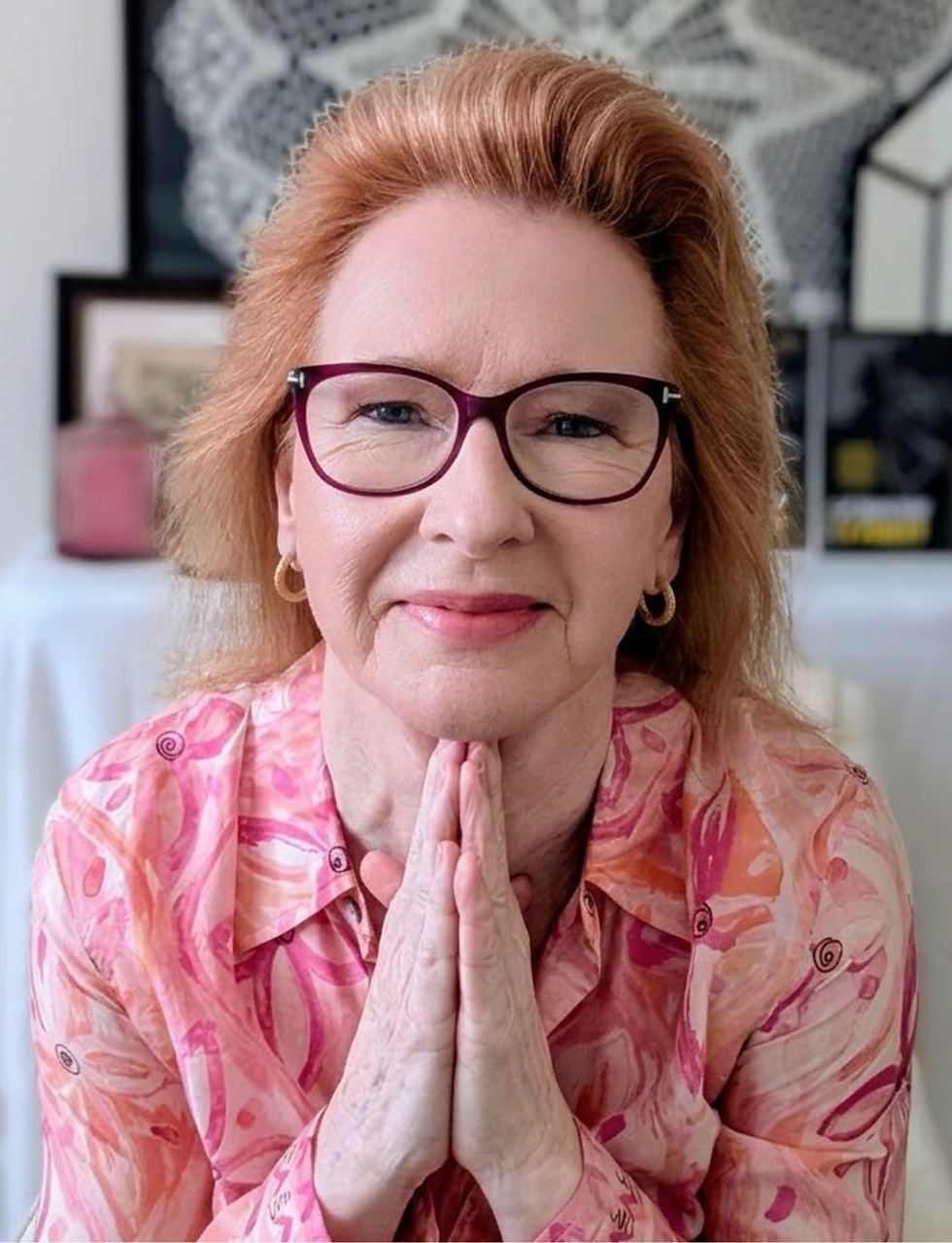
By Kathryn Traff
There is a moment in a woman’s life when what once worked quietly stops working.
From the outside, nothing appears broken. She is accomplished, respected, and capable. She has built a life others admire. And yet internally, something has shifted. What once energized her now drains her. What once felt aligned now feels constricting. A quiet awareness begins to surface—the identity that brought her here will not carry her forward.
This is not failure. This is evolution.
Most women at this stage try to solve the problem the way they always have. They adjust schedules, refine goals, or search for better strategies. But the friction remains. Not because they are doing anything wrong, but because the challenge is not tactical. It is neurological and identity-based.
The brain is designed for efficiency. It builds patterns of thought and behavior that become automatic over time. These patterns create success, but they can also become constraints when a woman’s next level requires a different way of thinking, deciding, and being. There comes a point when she must decide whether to continue operating from a familiar identity or consciously step into a new one.
I came to this realization when everything I had built, my career, my identity, my sense of certainty, was disrupted.
After nearly two decades in a highly respected field, I was competent, trusted, and doing everything right. From the outside, it looked like success. But internally, everything felt off. I was just surviving.
For years, I believed something was wrong with me, that I wasn’t driven enough or wired the way I “should” be to succeed at that level.
At times, I quietly believed I was a “loser” compared to my peers in the surgical technology space, watching others fully buy into a path I could not make myself want.
What I eventually realized was far more accurate, and far more liberating. There was nothing wrong with me. I was operating inside a system that was never built for how I was designed to think, lead, and contribute.
That distinction changed everything.
When a woman believes she is the problem, she tries to fix herself. When she recognizes misalignment, she begins to change her environment,and ultimately, her identity. That disruption pushed me into entrepreneurship, where I began operating in alignment with who I am, no longer performing, but living with clarity and intention.
What surprised me most was that transformation did not begin with clarity. It began with elimination.
There were behaviors in my life that were socially acceptable but created subtle interference in how I thought, felt, and showed up.
For me, one of those was a “gray zone” drinking habit. It wasn’t catastrophic, but it dulled my clarity and kept me operating just below my full capacity. At the level I was being called into, that margin was no longer acceptable.
I had to ask a more honest question: not “Is this a problem?” but “Is this aligned with who I am becoming?” The answer was no. So I removed it, not from restriction, but from liberation. I never miss it.
What I did not understand at the time was that this process was not emotional. It was neurological.
Transformation is not about willpower. It is about rewiring. Every identity is supported by neural pathways, patterns that feel true because they are familiar. When a woman attempts to step into a new level without addressing those patterns, she experiences resistance and internal conflict. Real change begins when those patterns are interrupted and replaced—not by doing more, but by thinking differently.
For me, neuroscience alone was not enough. Faith allowed me to move forward without certainty and to see disruption not as punishment, but as invitation, an invitation to release control, expand capacity, and evolve.
At some point, every woman reaches a decision point: remain who she has been, or become who her next life requires. That choice often feels like loss before it feels like expansion. But on the other side is clarity, alignment, and freedom.
That is the unbreakable spirit, not because it never bends, but because it is always willing to become.
Connect With Kathryn


Comments