
Dating Apps Are The Symptom. You're Part Of The Solution
- Dec 15, 2025
- 4 min read
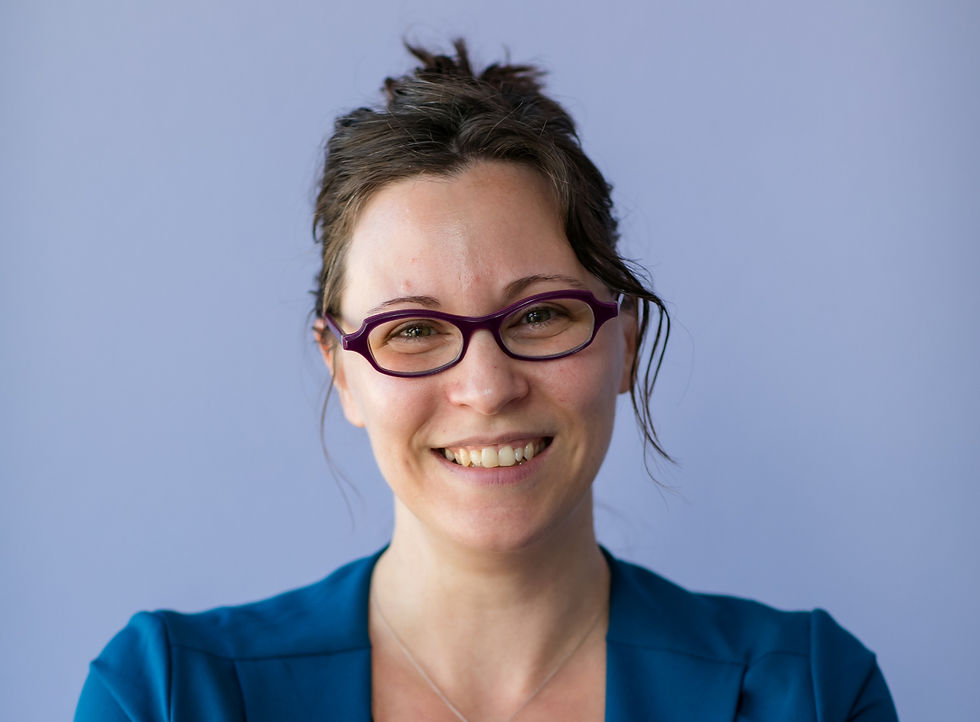
By Sara-Ann Rosen

As a dating coach, I can say the pandemic acted as a massive stress test, forcing a generational rewrite of how clients evaluate partners. It didn’t just disrupt dating—it reprogrammed our relationship scripts. After long isolation, many feel both more cautious and more motivated to connect. That internal contradiction often shows up as hypervigilance toward uncertainty and rejection.
Truth be told: apps amplify whatever we bring to them—unfulfilled longings, buried resentments, inflated expectations. That’s good news. It means change is possible.
If swipe culture set the stage for the “Dating Apocalypse,” the pandemic sealed its fate. Together they chipped away at confidence, leaving many stuck in emotional Whac-A-Mole: each time you rally, another disappointment pops up. Dating rarely works when you feel like a failure before the first sip.
For women, the struggle has been twofold. The pandemic didn’t create risk—it magnified existing threats. Women who kept dating often faced more exposure in less structured, digital-first contexts without traditional social safeguards like friends nearby or well-populated public spaces.
What the last few years did to our confidence
About 60% of U.S. adults say relationships feel harder now. That tracks: years of isolation meant fewer support networks and less of the friends, laughter, and work that give life meaning. Our social muscles atrophied.
The catch-22 of modern dating—and why it isn’t proof you’re “bad at dating”
We crave connection, yet fear it. One survey found 93% of daters want early vulnerability while only 32% offer it back. Chronic loneliness short-circuited bonding chemistry. Without a roadmap, our brains forecast failure; fight-or-flight kicks in; we avoid the risks that create joy. Depersonalized scrolling for crumbs of attention erodes self-worth and makes real bonds harder.
This can become a self-fulfilling loop. It’s draining—and it tempts you to treat matches or timelines as a verdict on your value. We also lost everyday micro-interactions—brief chats, smiles, small talk—that signal belonging and regulate mood. Without them, confidence slides.
Digital-first dating adds another trap: people turn into profiles to evaluate, encouraging checklist thinking and making singles feel like commodities. In-person, chemistry can emerge naturally, and traits like kindness, humor, and emotional availability matter more than height or degrees.
Bottom line: burnout reflects a hostile landscape—not a personal failing. Your worth isn’t on trial; your safety calculus and nervous system are. Rebuild both so discernment feels like power, not fear.
Why happiness is more of an inside job
Even with burnout, dating-app use is projected to rise. So instead of asking, Am I looking for love in the wrong places? try, Have I cultivated love in my life and within myself that will attract and grow authentic love?
One of the best predictors of how happy we’ll feel in a relationship is how happy we felt before it. It’s tempting to expect a partner to fill our voids, but that only delays the work. If we don’t meet our own needs and create multiple sources of meaning, adding another person’s needs can destabilize everything. We can’t outsource happiness and expect someone else to fix or complete us.
Fulfilling relationships don’t grow from scarcity; they flow from a wellspring of self-respect and purpose that supports authentic giving and receiving. Build a life and self-connection so grounded that a partner becomes an expansion of joy, not the source. When your life hums with meaning, you stop interviewing people for the job of “complete me.” You show up curious, not starving; discerning, not defensive. That grounded presence is attractive to the right partners. Apps return to their proper place: a tool, not a tribunal on your worth.
Small Steps to Better Connections
After prolonged isolation, many of us are running low on the motivation-and-bonding brain chemistry that supports confident connection. These steps help nudge those systems so showing up feels easier and safer. Keep it simple and repeatable:
Connect weekly. Book one standing meetup or video call with a friend or family member who genuinely lifts you up.
Prioritize sleep. Aim for 7–9 hours. Start winding down 60–90 minutes before bed; try journaling, gentle stretching, or a warm shower or bath.
Get morning light. 20–30 minutes of outdoor daylight or a 10,000-lux light box before 8 a.m.
Move your body daily. 10–20 minutes that raises your heart rate a bit can stabilize mood and stress.
Nourish reliably. Build meals around minimally processed foods—complex carbs, beans, fruits/veggies, fermented foods—and yes, a little dark chocolate.
One boundary, weekly. Say a clear yes/no in dating or daily life. Notice how your body feels after.
Track small wins. End each day with one action you’re proud of and one way you contributed to someone or something.
Consistency beats intensity. Small, steady inputs compound into confidence and clearer choices. Start where you are: pick one step this week, one boundary, one real-world interaction. That’s how you turn burnout into momentum—and introductions into meaningful connections.
References:
BBC. (2021, July 1). The darkest side of online dating. https://www.bbc.com/worklife/article/20210623-the-darkest-side-of-online-dating
Booth, J. (2024, February 19). Dating statistics and facts in 2024. Forbes Health. https://www.forbes.com/health/dating/dating-statistics/#:~:text=Dating%20App%20Success%20Rate,-A%20survey%20from&text=Individuals%20between%20ages%2043%20and,compared%20to%2066%25%20of%20females
Davis, S. (2022, July 12). 59% Of U.S. adults find it harder to form relationships since COVID-19, survey reveals — here’s how that can harm your health. Forbes. https://www.forbes.com/health/mind/social-anxiety-since-covid-survey/
Greaney, M. L., Puleo, E., Sprunck-Harrild, K., Haines, J., Houghton, S. C., & Emmons, K. M. (2018). Social support for changing multiple Behaviors: Factors associated with seeking support and the impact of offered support. Health education & behavior : the official publication of the Society for Public Health Education, 45(2), 198–206. https://doi.org/10.1177/1090198117712333
Mineo, L. (2017, April 11). Harvard study, almost 80 years old, has proved that embracing community helps us live longer, and be happier. The Harvard Gazette.
Nicolaus, P. (2019, July 26). Want to feel happier today? Try talking to a stranger. NPR. https://www.npr.org/sections/health-shots/2019/07/26/744267015/want-to-feel-happier-today-try-talking-to-a-stranger
Reynolds, M. (2024, January 30). Breakthrough coaching: Creating lightbulb moments in your coaching conversations.
Berrett-Koehler Publishers. Statista. (2024, March). Online dating: United States. https://www.statista.com/outlook/emo/dating-services/online-dating/united-states
TINDER’S YEAR IN SWIPE™ 2024. (2024). Tinder Newsroom. https://www.tinderpressroom.com/2024-12-03-TINDERS-YEAR-IN-SWIPE- TM-2024
Van Kessel, P., Baronavski, C., & Scheller, A. (2021, March 5). In Their Own Words, Americans Describe the Struggles and Silver Linings of the COVID-19 Pandemic. Pew Research Center.
Varina, R. (2022, November 28). This is the one characteristic singles are looking for more than anything else. Cosmopolitan. https://www.cosmopolitan.com/sex-love/a42006606/emotional-vulnerability-high-priority-for-singles/
Connect With Sara-Ann


Comments