
Dr. Andrale Jeanlouis: Power That Heals, Leadership That Endures
- Feb 12
- 4 min read
By She Rises Studios Editorial Team

Legacy is often reduced to title, rank, or recognition. For Dr. Andrale D. Jeanlouis, legacy is quieter and far more demanding. It is built in what is healed, what is reclaimed, and what is deliberately carried forward. As an author, decorated combat veteran, leadership scholar, and mentor, she represents a form of power that does not perform. It transforms.
Raised between Brooklyn and Haiti, Dr. Jeanlouis learned early that identity is not singular it is layered. Brooklyn sharpened her voice and taught her how to navigate complexity with directness and resolve. Haiti anchored her values, grounding her in heritage, faith, and collective responsibility. Influenced deeply by her father’s leadership at the Faculté des Sciences Humaines (FASCH), she absorbed a standard that would later define her work: true authority is rooted in integrity, accountability, and service. Not service as softness but service as responsibility.
That understanding would become a throughline in her life, but it would also require a difficult second education: confronting her own story without negotiation.
When Dr. Jeanlouis wrote her memoir, I Am Not My Mother’s Child, she did more than revisit trauma she named it. And in naming it, she claimed something many high-achieving women are taught to avoid: truth without apology. That act of radical self-honesty reshaped her relationship to strength. Healing, she came to understand, is not the absence of pain; it is the beginning of power. Not performative power governed power. The kind that brings clarity into the room before a single word is spoken.

Her military service further refined that standard. As a decorated combat veteran, Dr. Jeanlouis learned that leadership is not what you are called it is what people trust you to carry when the stakes are high and the margin for error is thin. In uniformed spaces, particularly as a woman of color, she saw how quickly competence can be questioned and how often credibility must be defended twice. The lesson was not bitterness. It was precision. Leadership, she learned, is stewardship with consequences measured in accountability, steadiness under pressure, and care for those entrusted to you.
That lens carries directly into her newest book, Breaking the Cycle: A Guide to Reparenting Yourself in Adulthood a work that speaks to one of the most overlooked realities facing high-achieving women: the belief that accomplishment will eventually fill emotional gaps left behind in childhood. Many women become fluent in performance survival, productivity, over functioning while struggling to receive rest, softness, or affirmation without guilt. Breaking the Cyclerefuses that bargain. It insists that wholeness begins when a woman decides her humanity not her output is worthy of tenderness, validation, and care.
This is not abstract theory for Dr. Jeanlouis. It is lived knowledge and it shapes how she shows up as a mentor, consultant, and change agent. Her work amplifies underrepresented voices in corporate leadership, but she is clear: representation alone is not transformation. Real change requires a redistribution of opportunity, sponsorship, influence, and resources.
Systems must reward inclusive leadership, build transparent pathways to advancement, and cultivate environments where women of color are heard, protected, and positioned to lead without being asked to dilute their presence. When institutions stop rewarding conformity and start honoring clarity, minority women do not simply enter leadership spaces they redefine them.

At the center of Dr. Jeanlouis’s leadership is storytelling but not storytelling as performance. Storytelling as architecture. She approaches her work with a scholar’s discipline and a truth-teller’s restraint. Research provides language. Experience provides proof. Narrative becomes the bridge between the two. Her goal is not simply to inform, but to leave readers and rooms changed more aware, more grounded, and more equipped to lead with integrity.
Her professional journey spans military service, organizational leadership, human resources, and authorship. Yet the shift that altered her trajectory most dramatically was internal: the day she stopped waiting for permission to lead and chose to govern her life with intention. She recognizes that same turning point in the women she mentors when questions become declarations, when brilliance is no longer negotiated, and when a woman takes up space not to prove a point, but because she finally understands she belongs.
Dr. Jeanlouis embodies a standard of leadership that is powerful without being punitive, firm without losing humanity, and ambitious without becoming hollow. She demonstrates that grace is not fragility. It is control. And that empathy, when disciplined, becomes one of the most strategic forms of authority a leader can carry.
Healing, she believes, is inseparable from legacy. Not because it makes leadership softer but because it makes leadership cleaner. It clarifies what matters, strengthens discernment, and prevents pain from becoming the hidden driver behind performance. It allows a woman to lead without being governed by what tried to break her.
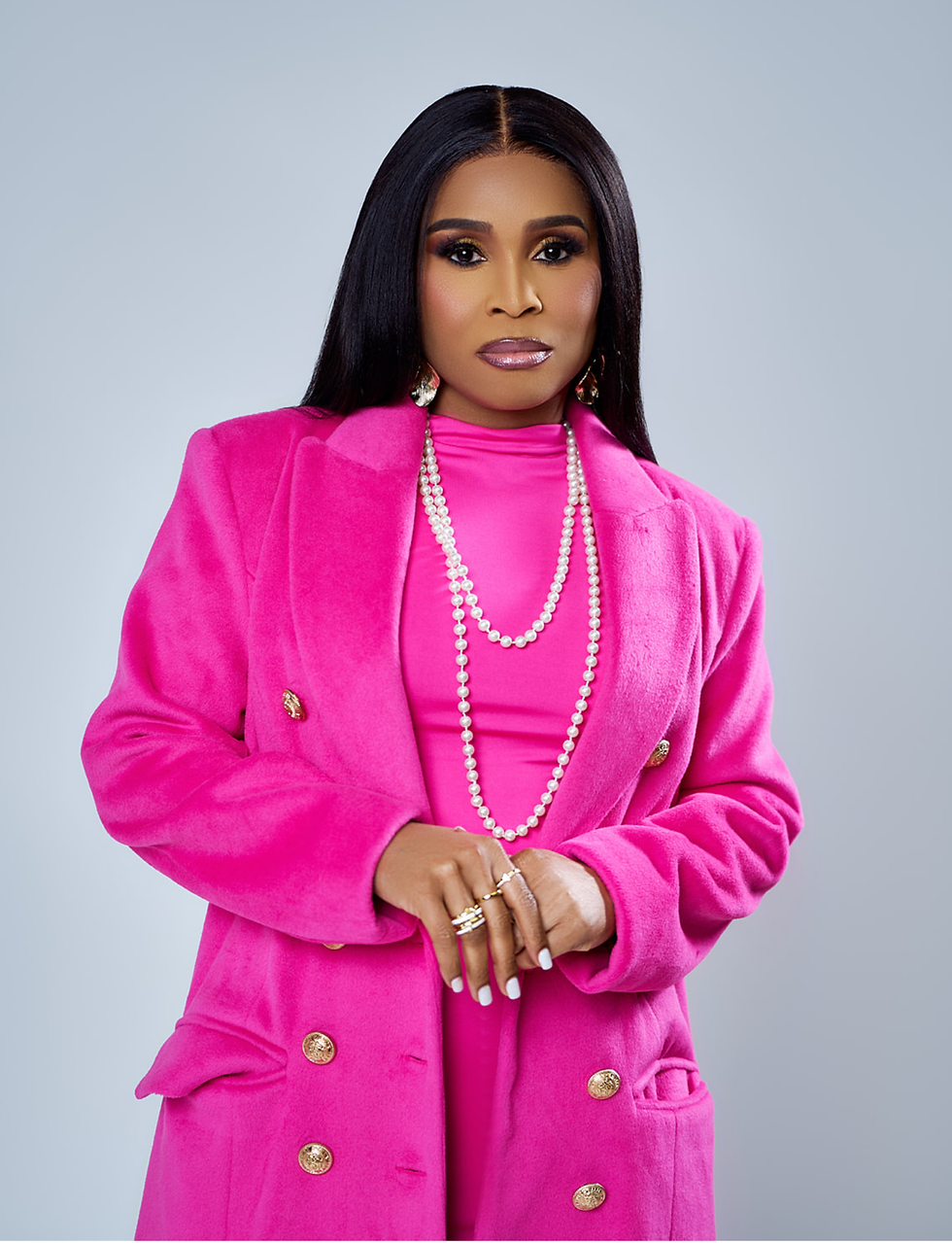
When Dr. Jeanlouis imagines future generations reading her work, she hopes they understand the woman behind the titles: not built by privilege, but by persistence, faith, and unwavering purpose. Titles were earned. But the woman was forged in resolve and shaped by a refusal to let pain dictate destiny.
Her message, when you strip it to its essence, is simple and enduring: your beginning does not define your becoming. And once you reclaim your voice, you possess the power to reshape your world.
In Legacy Woman Magazine, Dr. Andrale D. Jeanlouis stands as proof that dynasties are not built through dominance. They are built through truth, disciplined power, and leadership that endures.
Connect With Dr. Andrale
Instagram/Facebook: @andraletoday
X: @andraleT37829


Comments