
The Smile-Success Connection: A Prosthodontist’s View on Mental Clarity and Self-Care
- Dec 19, 2025
- 2 min read
By Dr. Adnan Ege Koseler
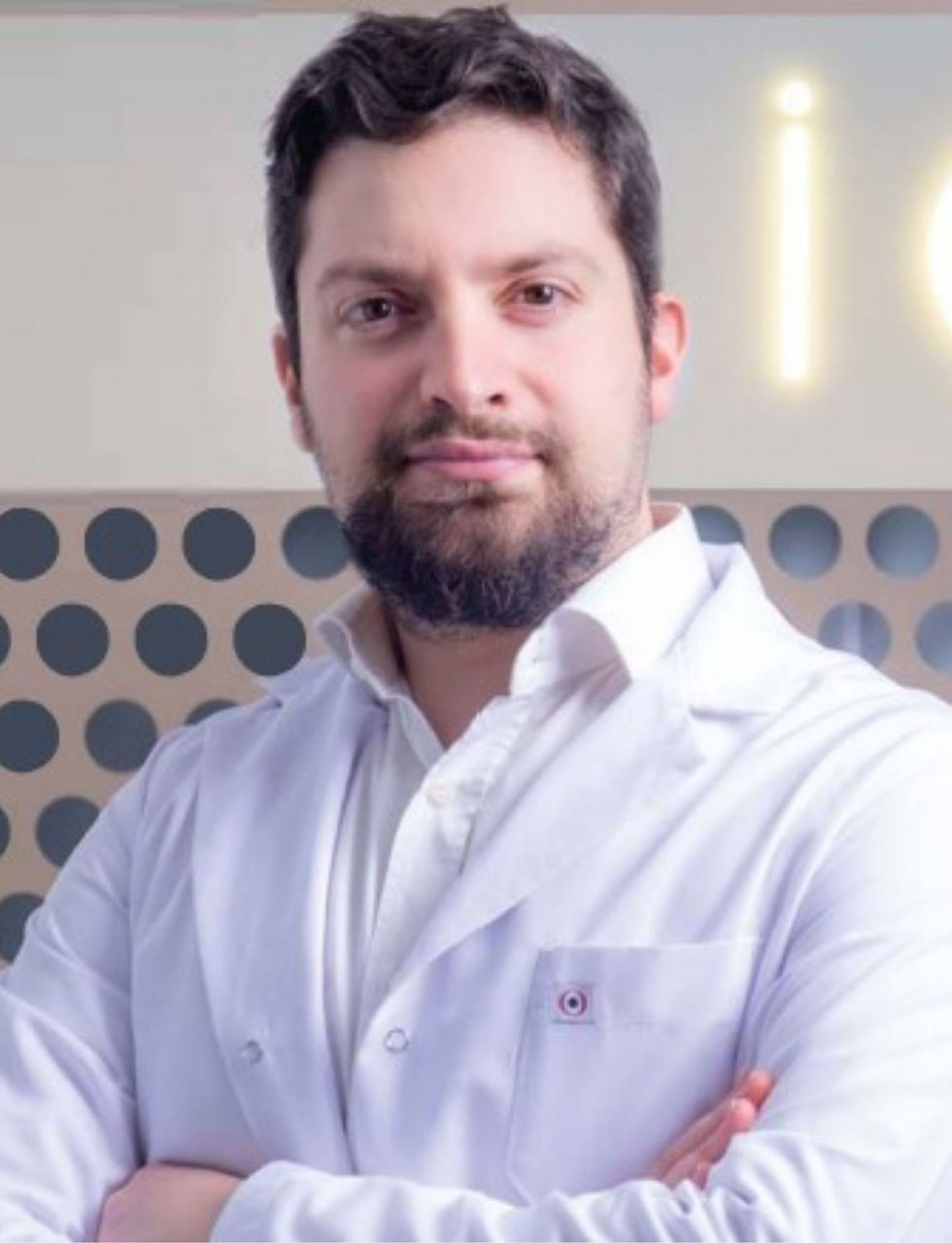
When we discuss "holistic success," our minds typically turn to career milestones, financial stability, and emotional equilibrium. When we talk of "self-care," we picture spa days, meditation retreats, or digital detoxes. While valuable, these are often acts of maintenance—providing temporary relief.
True, transformative self-care often lies deeper. It is about actively dismantling the persistent barriers that limit our potential.
As a prosthodontist, I encounter one of the most unexpected of these barriers in my clinic daily: the shame a person feels about their own smile.
One of the greatest obstacles to "mental clarity" is a chronic lack of self-confidence. Over the years, I have met countless professionals—highly accomplished in their fields, yet visibly withdrawn in social and professional settings. I have seen executives with valuable insights remain silent in key meetings, all because they are consciously avoiding revealing a smile marred by cracks, discoloration, or gaps.
A significant portion of their mental energy is consumed by an internal monologue: "Did they notice my teeth?" or "I must not smile." This is not merely a "dental issue"; it is a "confidence leak" that drains mental clarity and sabotages their professional presence.
This is where we must reframe the decision to pursue a "Smile Makeover." Advanced implants or aesthetic veneers are often perceived as a "cosmetic" procedure or an act of luxury. I, however, see it as one of the most profound acts of "self-care" my patients undertake.
This isn't about vanity; it's about reclamation. It is a definitive decision by an individual that they will no longer allow a physical insecurity to overshadow their potential, their joy, or their authority.
When this act of "self-care" is complete, the mirror is not the only thing that changes. The patient’s posture changes. The way they make eye contact changes. Most importantly, their "mental clarity" returns.

The cognitive energy they once spent managing their insecurity is now liberated—free to innovate, to connect, and to lead. This directly impacts their "holistic success." This is not a superficial change; it is an investment in "longevity." It is not a temporary fix, but a permanent restoration of self-assurance that will elevate the quality of their personal and professional interactions for decades to come.
True wellness, after all, is when our external expression is finally in full alignment with our internal potential.
Connect With Dr. Adnan


Comments